




How to Support Dogs and Cats Through Nutrition: Skin and Coat Health
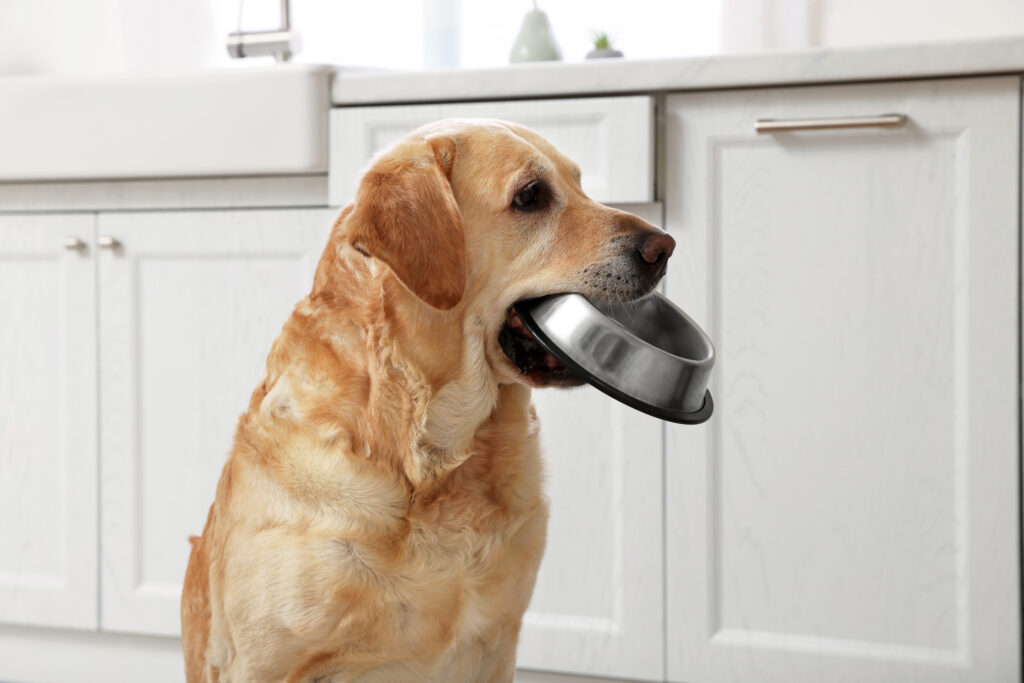
You notice it slowly. A few more hairs on the sofa than usual, a coat that doesn’t catch the light quite the way it did, a paw lifting to scratch the same spot for the third time this week. When it comes to the pet you love and share your home with in Singapore, you tend to spot these changes before anyone else.
Healthy skin and a glossy coat are among the most visible signs of a well-nourished pet, and they tend to slip first when something in the bowl isn’t pulling its weight.
For most dogs and cats, what works is a complete and balanced recipe featuring named animal proteins, omega-6 and omega-3 fatty acids, vitamin E, zinc, and added prebiotics and probiotics for gut health. That’s everyday nutrition done well and the kind of recipe that supports healthy skin and coat as part of overall wellbeing.
Let’s look at what healthy skin and coat look like, what tends to affect them, and how to choose food that supports both.
What Healthy Skin And Coat Looks Like In Dogs And Cats
Good skin health in both cats and dogs shows up in similar ways. The coat looks glossy, the skin underneath feels supple with no flakiness or redness, shedding stays in line with seasonal patterns, and the ears stay clear and comfortable.
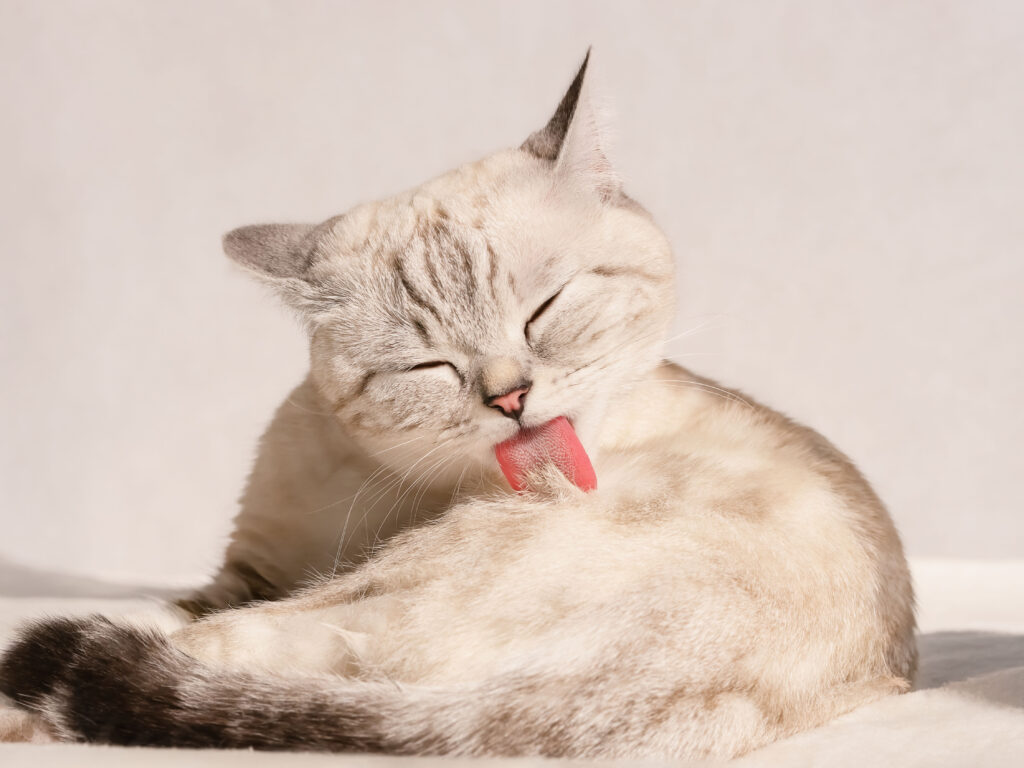
When something is off, the signs are just as visible. Coat health in dogs tends to slip first: duller fur, more shedding, occasional hot spots, or persistent scratching, licking and biting. A previously healthy dog can develop flaky or oily patches. In cats, the picture differs. Cat skin conditions and problems often present as overgrooming, bald patches on the belly or flanks, and shifts in coat texture rather than scratching.
These are signals to read rather than problems for food alone to solve, which raises the next question: what’s actually driving them?
What Affects Your Pet’s Skin And Coat
While nutrition sits at the centre of healthy skin and coat, the condition is rarely down to one thing alone. Other factors shape what you see.
Hydration matters for both cats and dogs, but more so for cats. Cats have a naturally low thirst drive, so moisture in the diet plays a more active role in keeping their skin healthy. Dogs tend to drink more readily, but a dry-only diet with insufficient water intake can still affect coat condition over time. For both, gut health plays a quieter role, influencing nutrient absorption and the broader signs of wellbeing.
Singapore’s climate adds its own pressure. Humidity, heat, and long hours in air-conditioning can dry skin or trap moisture in coat folds, affecting dogs and cats alike. Dogs with skin folds, such as Bulldogs or Shih Tzus, are particularly prone to irritation in humid conditions. For cats, the same heat can accelerate shedding and affect coat texture. Grooming and shampoo choice matter for dogs, especially since frequent bathing with harsh products strips the natural oils that keep skin and coat healthy.
Of all those levers, the bowl is the one you have most control over from day to day. If you’re working out how to improve your dog’s or cat’s skin health, that’s usually the place to start.
The Role Of Nutrition In Healthy Skin And Coat
If nutrition is the main lever, the practical question becomes what to look for in a recipe. A well-nourished pet tends to show it in five visible signs, which we call the 5 Signs of Wellbeing™: healthy digestion, immune health, healthy skin and coat, healthy teeth and bones, and sustained energy. Skin and coat sit at the heart of those, and a handful of nutrients do most of the work:
- Omega-6 and omega-3 fatty acids: Support the skin barrier and help maintain coat shine.
- Vitamin E and zinc: Help maintain healthy skin cells.
- Named animal proteins: Provide the building blocks for tissue repair and coat strength; cats need more animal protein than dogs as obligate carnivores.
- Prebiotics and probiotics: Support healthy digestion, which is closely linked to skin condition through the immune system.
Food that’s good for both dogs’ and cats’ skin health works on the same principle: the right nutrients, in the right balance, in a complete and balanced recipe for the pet’s life stage.
How To Choose Food That Supports Skin And Coat Health
So if you’re wondering ‘What can I give my dog or cat for healthy skin and coat?’, the answer starts with reading the ingredient and guaranteed analysis panels. Look for:
- Named protein sources: At the top of the ingredient list, such as deboned salmon, chicken or whitefish, rather than vague “meat” or “by-product” entries.
- Added omega-6 and omega-3 fatty acids: Look for these in the guaranteed analysis panel of the pack, where the levels are listed.
- Vitamin E, zinc, and natural antioxidants: Present in the ingredient panel rather than absent entirely.
- Prebiotics and probiotics: These help maintain a balanced gut microbiome, and a healthy gut is closely tied to healthy skin.
- No artificial colours, flavours or fillers: These add little nutritional value and crowd out more useful ingredients.
For dogs, healthy dog food usually means well-formulated kibble with this nutrient profile, fed in the right portions. For cats, a dry food covers the nutrient side, while adding wet food or mixing the two helps with hydration.
At Wellness®, we’ve crafted natural pet food on this principle since 1926. Lines such as Complete Health and Wellness® CORE® are formulated to support healthy skin and coat as one of the 5 Signs of Wellbeing™, across both dog and cat ranges.
When Food Sensitivities Are A Factor
However, sometimes the picture doesn’t shift, no matter how well the basics are covered. A food sensitivity may be at play. Some dogs and cats react to specific proteins or ingredients, and pinning down the trigger usually means working with a vet, who may recommend an allergy test or a supervised elimination diet to identify the cause.
A limited ingredient recipe uses fewer, carefully selected components, making it easier to isolate the trigger. The term hypoallergenic dog food generally refers to recipes formulated to reduce the risk of triggering common sensitivities. For dogs with confirmed sensitivities, Wellness® SIMPLE is our limited ingredient range, designed for this need rather than as a general skin and coat solution.
That said, persistent or severe reactions warrant veterinary advice, not a food change alone.
When To See A Vet
Food does a great deal, but it isn’t a substitute for a proper examination when something more is going on. That brings us to the harder question: when is it time to involve a vet? A visit makes sense when the signs go beyond ordinary fluctuation, particularly with:
- Skin irritation lasting more than two weeks
- Open sores, bleeding, or signs of infection
- Significant hair loss, or compulsive overgrooming in cats
- Visible discomfort, restlessness, or disrupted sleep
- Symptoms that don’t improve after a careful diet change
Bringing It Back To The Bowl
A glossy coat and comfortable skin, along with healthy digestion, immune health, healthy teeth and bones, and sustained energy, are the five everyday signs of a well-nourished pet. Most of the time, that work falls to a complete and balanced recipe, fed consistently.
Wellness® has been crafting natural pet food since 1926, with every complete and balanced recipe formulated to support the 5 Signs of Wellbeing™, including Healthy Skin & Coat. From everyday recipes such as Complete Health® and CORE® for cats and dogs to SIMPLE® for dogs with sensitivities, our pet food in Singapore includes healthy dry cat food, wet cat food, dog kibble and more available through authorised retailers across Singapore.
Find the full list on our Where to Buy page, and give your pet the everyday nutrition that shows.