




What Is the Best Food for Small Dogs?
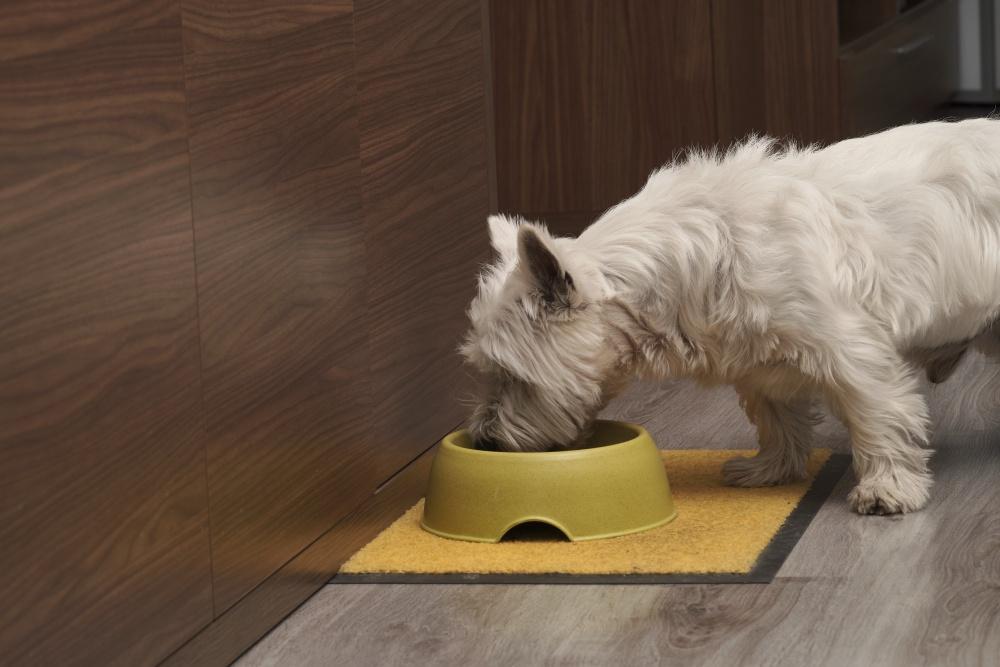
Small dogs may be compact, but there’s nothing small about their nutritional needs. Size shapes the requirements in real ways, and good small breed food is built around those differences.
Small breed dogs are generally those that reach an adult weight of around 10kg or under. That includes many familiar faces: Chihuahuas, Shih Tzus, Pomeranians, Maltese, Miniature Schnauzers and Toy Poodles, among others.
So what should you be feeding your small dog? The best food is generally nutrient-dense and high in protein to match their faster metabolisms, with smaller kibble sizes suited to their petite jaws.
Small breeds burn through energy more quickly than larger dogs and have less room in their stomachs to compensate, which means every mouthful needs to work harder. That’s why the right formula supports not just energy levels but also digestion, dental health, joint comfort and coat condition.
Choosing food for a small dog isn’t just about buying a smaller bag; a small-dog diet is defined by its formulation. This post looks at the nutritional differences between small and large breeds, how much to feed a small dog, and what to look for in dry and wet food for small breeds.
Why Small Dogs Have Different Nutritional Needs
Small dogs are not scaled-down large breeds; their physiology creates distinct requirements, and a small dog diet works best when built around them. This includes:
- High calorie density: Small dogs need more calories per kilogram than larger dogs, so the formula must be calorie-dense enough that they don’t overeat to meet their energy needs.
- Smaller kibble size: Large-breed kibble does not suit a small dog’s jaw or bite, while appropriately sized pieces aid chewing, lower choking risk and support cleaner teeth.
- Joint care: Breeds prone to luxating patella and early-onset arthritis benefit from added glucosamine and chondroitin, which can help support joint comfort and mobility.
- Higher protein requirement: A diet led by quality animal protein suits small dogs, so proteins listed at the top signal appropriate protein content for their needs.
- Dental health support: With more teeth crowded into a smaller jaw, kibble texture, size and formulation all help support dental hygiene between professional cleans.
These needs are connected, not separate boxes to tick. Together, healthy digestion, immune health, healthy skin and coat, healthy teeth and bones, and sustained energy make up the 5 Signs of Wellbeing™, the everyday markers you can see when your dog’s diet is doing its job.
Not all small breed formulas are created equal, though. A recipe that meets AAFCO nutritional standards for the relevant life stage, such as those used by Wellness®, gives you a verifiable baseline for complete and balanced nutrition. Wellness® has crafted natural pet food since 1926, bringing 100 years of nutritional expertise to every small breed recipe.
How Much Food Does a Small Dog Need?
Overfeeding is one of the most common challenges in small dog ownership. Because the portions look so small, it is easy to underestimate how fast the calories add up: a few extra pieces of kibble and a couple of treats mean far more to a 4kg dog than a 30kg one.
A few habits help you get feeding small dogs right:
- Start with the feeding guide, not a guess: Guidelines are set by body weight and life stage, and for small dogs they are often more precise than expected.
- Adjust for activity level: An energetic dog may need a little more and an older one less, so let body condition guide you, not weight alone.
- Account for treats and toppers: Treats, toppers and rewards all count towards daily calories and even a small handful matters for a small dog.
- Watch for weight creep: Gains come on gradually, and a thick coat can hide them, so a monthly weigh-in gives you a useful reference point.
- Think about feeding frequency: Two to three smaller meals a day usually suit small dogs better than one large one, which is harder on digestion and blood sugar.
- Match the life stage: Puppies have higher developmental needs, and seniors may need adjusted protein and joint support, so life stage matters as much as size.
If you are unsure whether your small dog is at a healthy weight, your vet can advise on both a target weight and the right portions.
What Is the Best Dry Dog Food for Small Dogs?
Dry food is where most small dog parents start: convenient, easy to portion, and supportive of dental contact as your dog chews. Not all dog kibble is made with small breeds in mind, though, so look past the front of the pack. Dogs that react to certain ingredients may suit a hypoallergenic dog food built on limited ingredients.
Here is what a quality small breed dry food should offer:
- A named animal protein first: Chicken, turkey or salmon should lead the list; vague terms such as “meat” or “poultry by-product” tell you less about quality and source.
- Kibble sized for small mouths: Look for kibble designed for small or toy breeds so it’s comfortable to chew.
- Calorie density for their energy needs: Check the guaranteed analysis for protein and fat; the formula should meet daily requirements in appropriately sized portions.
- No artificial preservatives, colours or fillers: BHA, BHT, artificial dyes and unspecified grain fillers add bulk without much value and may cause sensitivities over time.
- Added functional ingredients: Look for prebiotics and probiotics for good gut health, omega-3 and omega-6 fatty acids for skin and coat, and glucosamine and chondroitin for the joints.
Wellness® offers dry recipes made specifically for smaller dogs, including Wellness® Complete Health® Small Breed and Wellness® CORE® Small Breed, a high-protein dog food with wholesome grain and grain-free options. Both also come in small-breed puppy and senior recipes, so nutrition covers every life stage. Each meets AAFCO nutritional standards and draws on 100 years of natural pet food expertise, crafted to support the everyday signs of a dog in good health.
What Is the Best Wet Dog Food for Small Dogs?
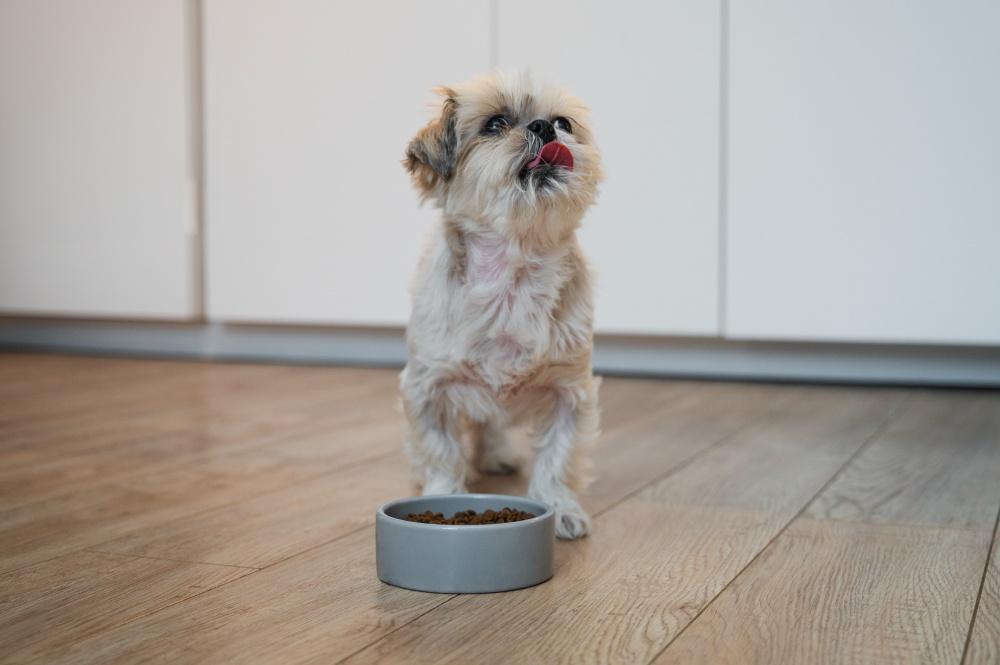
Wet food offers small dogs more than flavour variety; moisture is the most practical part. Wet dog food, or canned dog food, carries far more water than dry food, which quietly helps with hydration.
What to look for in the best wet food for a small dog:
- High moisture content: Wet food holds far more moisture than dry, supporting hydration in dogs that do not drink much, which helps in Singapore’s humid climate.
- A named protein as the main ingredient: Named animal proteins such as chicken, beef or salmon should lead the list; gravy or broth recipes can be lighter on protein, so check the analysis.
- No carrageenan or artificial thickeners: Carrageenan, used as a binder, has been linked to intestinal inflammation in some studies, so check for it if your dog has a sensitive stomach.
- No artificial flavours, colours or preservatives: These add nothing nutritionally and may cause sensitivities in dogs already prone to upset.
- A role that suits your routine: Wet food can be a complete meal on its own or a topper to lift taste and moisture, as long as the total stays within the daily calorie guide.
- Portion size that fits a small appetite: Small dogs eat little per meal, so store an opened can or pouch well and use it promptly; single-serve formats cut waste and simplify portioning.
Smaller dogs also tend to be fussier, and a wet recipe’s aroma and texture often win over picky eaters when dry food alone falls flat. That’s another reason why Wellness® Petite Entrées and CORE® Small Breed Mini Meals are great for small dogs. Served in single-serve portions sized for smaller appetites, they meet the same standards as the full Wellness® wet range, use named animal proteins and no artificial additives, and are crafted to support the 5 Signs of Wellbeing™.
Pairing Dry and Wet Food for Small Dogs
You do not have to settle on one type of food. The Wellness® small breed ranges are built to work together, and pairing them is an easy way to add interest to the bowl.
- Combining dry kibble with a wet food topper can improve taste, add variety and support moisture intake, which helps in Singapore’s climate.
- For an everyday complete meal, Wellness® Complete Health® Small Breed dry pairs naturally with Wellness® Petite Entrées wet; for a higher-protein combination, match Wellness® CORE® Small Breed dry with CORE® Small Breed Mini Meals.
- When you mix formats, keep the total within your dog’s daily feeding guide so the extras don’t tip into overfeeding.
The range stretches beyond meals, too: Wellness® CORE® Tiny Trainers are treats sized for small breeds, so they can be trained without adding much to a small dog’s daily calories.
Choosing the Right Food for Your Small Dog
Small dogs have specific nutritional needs, and well-formulated food meets them from the first ingredient to the last, shaping calories, kibble, protein and joint and dental support.
This is where the 5 Signs of Wellbeing™ earn their place: sustained energy, healthy digestion, immune health, healthy skin and coat, and healthy teeth and bones are the visible signs that a small dog’s food is serving them well.
Wellness® has been crafting natural pet food since 1926, with every complete and balanced recipe formulated to support the 5 Signs of Wellbeing™. Our dog food range, including small breed dry and wet options, is available through retailers across Singapore, with the full list on our Where to Buy page.