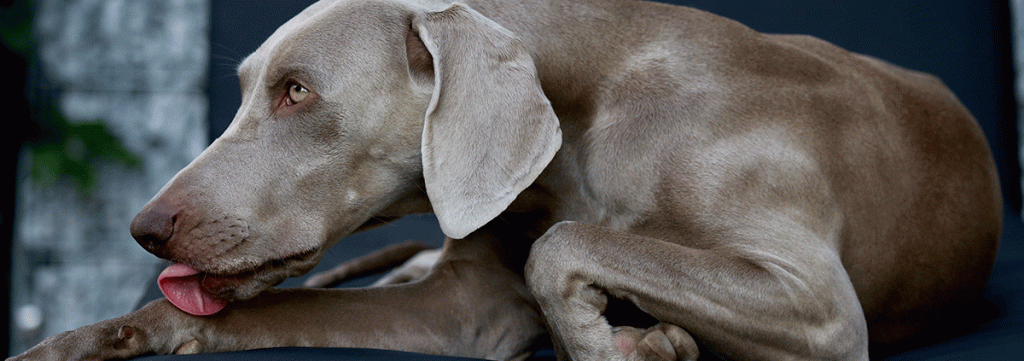
Since moving back home to the Pacific Northwest, Koda has had to learn what it’s like to not be the only puppy in the house. To remind him how much we love him, we like to surprise him with these delicious homemade treats, stuffed with his favorite Wellness pet food snacks!
Ingredients
Each of the ingredients in these treats were specially chosen for their benefits to dogs. Sweet potatoes are great for your pup’s digestive health because they’re high in fiber. They’re also low in fat and contain vitamin B6, vitamin C, and manganese.
Sweet potatoes are rich in beta-carotene, a powerful antioxidant. Beta-carotene converts to Vitamin A in your dog’s body, which is essential for good vision, growth, and muscle strength. Carrots support good dental health in dogs, contain vitamin A, high in fiber, and they promote good eyesight.
Eggs are a great source of protein and healthy fats. They are also great for your dog’s digestive health.
Peanut butter could be optional in this recipe, but it’s one of Koda’s favorite treats, so I like to spoil him with a couple scoops of natural peanut butter.
Let’s get started
These “cookies” are super simple and easy to whip-up. You can do everything in one bowl for easy clean up and they can be customized to fit your pup’s needs or preferences.
Koda literally couldn’t wait for these treats to come out of the oven, we caught him licking the bowl or stealing bites off the tray.
What You’ll Need
1 Sweet Potato
1 Grated Carrot
1 Egg
2Tb Peanut Butter
CORE Pure Rewards Turkey Jerky Bites ( or your pup’s favorite Wellness Treats)
Parchment paper
Directions
Preheat oven to 375°
Peel, cook, and mash a sweet potato.
Shred a carrot using a grater, pre-shredded carrot could work too. Squeeze the shredded carrot in a kitchen towel to remove some of the moisture.
Add the carrot to the mashed sweet potato. Add the egg and peanut butter and mix to combine.
Fold in a handful of Wellness Pet Food treats.
Line a cookie sheet with parchment paper and spoon batter into 1 inch “haystacks.” No need to leave much room in between each cookie as they will not spread.
Bake until golden brown, about 15-20 minutes. Let cool and enjoy!
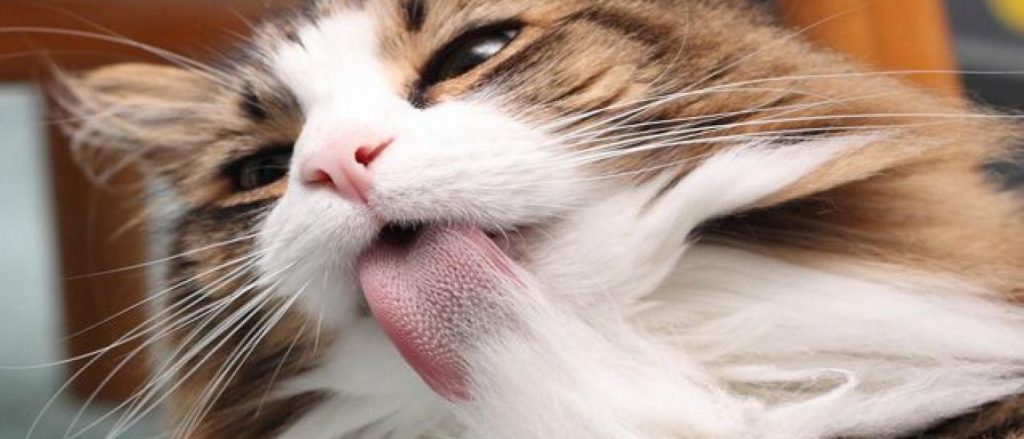
Hairballs aren’t welcome in any home – or in your cat’s stomach. Keep them under control with these tips!
Hairballs aren’t welcome in any home – or in your cat’s stomach.
It can be a common occurrence or a special occasion, but as parents to our beloved kitties we all freeze in terror when hearing the approach of an impending hairball attack.
This unmistakable “hack” roughly translates to: “Warning! Be prepared for a wet, hairy mess that will land in your general vicinity or that of a recently cleaned carpet!”
Tips to Keep Hairballs Under Control
Digestive Health Concerns
Hairballs can be a result of your cat’s regular grooming routine, but they can cause problems with her digestive health.
Typically, the hair your cat swallows forms into what we call a hairball and is eventually vomited up. But, on top of the grossness that hairballs come standard with, your cat may not be able to get rid of it through the usual methods of expulsion. If the hairball gets too large, it can cause problems within the digestive tract, resulting in bowel obstructions or constipation. In severe cases, surgery in order to have a hairball obstruction removed.
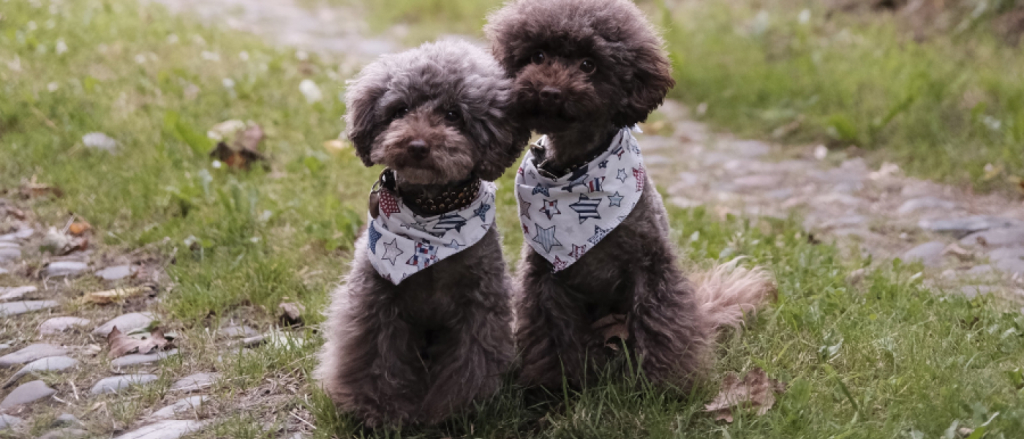
Many dogs have hypoallergenic hair or fur and don’t shed! This list comprises 15 of the best small dog breeds and small dog breed mixes that don’t shed.
All dogs are delightful, but cleaning dog hair off your clothes, couch, car seat, etc. probably doesn’t bring you joy. For dog lovers who want the companionship without the hair and fur cleanup, we’ve compiled a list of the fifteen best-loved small dog breeds and the small dog mixed breeds that don’t shed.
1. Bichon Frise
Bichon Frise, a name that translates to “curly lap dog” in French, is a petite, easy-to-maintain breed characterized by a hypoallergenic coat that doesn’t shed and only has to be clipped every so often.
2. Bolognese
Like the Bichon Frise, the Bolognese is a small, cuddly lap dog with a soft, fluffy coat. Like many small dogs that don’t shed, regular grooming is still important to keep this pup looking and feeling good.
3. Brussels Griffon
The Brussels Griffon is a companionable, loyal, and loving breed that can have a rough or a smooth coat. In either case, shedding hair isn’t an issue; though, regular grooming is needed.
4. Chinese Crested
There are two varieties of Chinese Crested hairless and powder puff. Both are low-maintenance; however, Powderpuff Chinese Crested shed minimally. All varieties of this bright, focused dog are hypoallergenic.
5. Cockapoo
Considered the most popular small mixed breed dogs, Cockapoos, which are part Cocker Spaniel and part Poodle, are not only unlikely to shed, but they’re also family-friendly and are easily trained.
6. Havanese
Originally hailing from Cuba, Havanese are small, fun-loving, friendly dogs with curious eyes and lush coats that don’t shed.
7. Maltese Terrier
Thought to be related to Tibetan Terriers, another great small non-shedding breed, sweet and spunky Maltese Terriers are characterized by beautiful, silky coats that don’t shed.
8. Miniature Schnauzer
Helpful little guard dogs, miniature Schnauzers are smart and loyal and are easy to care for thanks to their hypoallergenic coats that shed minimally.
9. Poodle
Poodles come in all shapes and sizes and are one of the most popular breeds and breed mixes in the world. Poodles are bright dogs with curly hair that not only doesn’t shed but is also odorless and is hypoallergenic.
10. Scottish Terrier
Often referred to as Scottie Dogs, Scottish Terriers, like most terrier breeds and mixed breeds, are hypoallergenic and require minimal grooming. A wonderful, independent and loving dog, Scottish Terriers do shed minimally,
11. Shih Tzu
Loyal long-haired Shih Tzus have beautiful coats that are reminiscent of a lion’s mane. Unlike lions, there’s nothing fierce about these little dogs that don’t shed other than when they are brushed.
12. Shih Poo
Shih Poos are a mixed breed small dog with silky, curly hair that doesn’t shed, a genetic gift from their Shih Tzu and Poodle influences. Shih Poos tend to have big personalities and tend to be big fun to love.
13. Xoloitzcuintli (Mexican Hairless )
Mexican Hairless dogs are a rare, ancient breed that have little to no hair. Any hair will be found on their head. Like other hairless breeds, though shedding isn’t an issue, protecting your dog’s skin from the sun and from other elements is something you’ll want to consider.
14. Yorkipoo
Yorkipoos are a breed mix of Yorkshire Terriers and Poodles. They tend to weigh less than 15 pounds as adults and have a hypoallergenic non-shedding coat, a benefit of having genetic influence from two small dog breeds that don’t shed.
15. Yorkshire Terrier
Yorkshire Terriers or Yorkies are petite, fun, playful, and loyal pups with low-shedding hypoallergenic coats.
Of course, there are other small dog breeds and small dog breed mixes that have hypoallergenic and or minimally–shedding hair or fur. As with all dogs, particularly those that don’t shed, regular love and grooming is necessary to keep them feeling and looking their best. Of course, that’s a small price to pay…who wouldn’t prefer to brush and groom their dog instead of their furniture?
Dogs come in all shapes, sizes, and types, and every dog is wonderful and is deserving of a healthy, nutritious meal to keep their coat (whether it sheds or not) lush and healthy. That’s why Wellness Pet Food’s recipes are not only natural but also nutrient rich, to ensure your dog has what they need for comprehensive wellness .
Essentials oils, which are plant extracts that contain a large quantity of rapidly evaporating oil, have become increasingly popular as natural, organic solutions for a variety of mental, physical and emotional maladies. Research by the scientific community has validated the overall health benefits for humans using essential oils; however, many people presume that that what benefits people also benefits cats.
This is a misconception. Essential oils are largely considered toxic to cats and using them around cats merits a great deal of education and good judgement.
How Do Essential Oils Affect Cats?
Essential Oils (EOs) have not been studied on a massive scale in felines because of the ethical concerns associated with studying a known toxin on a live animal. Existing knowledge and understanding is sufficient and for veterinarians, aromatherapists, and others with expertise in using and administering EOs in cats to concur that they are unsafe. This is true regardless of the type of oil and is especially true for oils boasting insect / pest repellant properties.
Toxic effects of EOs in cats include but are not limited to:
Triggering an existing condition such as asthma, upper respiratory disease, or skin allergies.
Irritating eyes (watering) or noses due to aggravation.
Developing dermatitis.
Causing seizures.
Liver failure, kidney failure, heart failure or other organ failure .
In particular, EOs are most dangerous and are potentially fatal to cats if they are administered to a cat’s fur or skin, or if they are ingested. Experts have yet to conclude if oil diffusers are “safe”. Diffused oils are oils that are vaporized or in areosol form.
How to Use Essential Oils around Cats
Currently the only method that is accepted for using EOs around cats is with a diffuser. While some say that they have diffused oils around cats for years with no negative impacts, others are concerned about the long-term lung and organ damage that could prove harmful long-term. That said, if you do want to diffuse oils around cats, it is recommended to:
Use for a limited period of time
In a relatively airy room (opening a window if possible is advised)
In an environment where the cat has the option to leave
Most importantly oils should always be stored in a safe place where cats cannot be exposed accidentally. If a cat is accidentally exposed because of a spill or by knocking over a diffuser, it is important to seek veterinary help immediately.
What Are the Sign a Cat has been Overexposed to Essential Oils?
It is important for anyone using oils to recognize the signs that a cat is affected by EO exposure. In the event that you observe any of these signs, immediately take your cat to the vet. Try to gather information as to what kind of oil the cat ingested, inhaled, put their paws in, or got on their skin. Signs of a problem include:
Mental function changes such as lethargy
Neurologic changes like wobbling, difficulty walking, weakness, shaking, seizures
Digestive issues such as drooling or vomiting
Physical distress like pawing at the face, red patches of skin, difficulty breathing, coughing, low (cold) body temperature, and slow heart rate.
In some cases, death can happen spontaneously after exposure, so it is important to be very careful when using EOs with cats. It is also recommended that EO enthusiasts get their cat tested for allergies or upper respiratory infections issues they may not have been aware of before using oils.
To conclude, it is possible to safely diffuse EOs with cats with discretion and care. Taking steps like consulting with a veterinarian beforehand and making sure to diffuse in a well-ventilated area where your cat can leave are two steps in using essential oils with cats in the safest possible way.
While essential oils have shown to be beneficial for human health, the same isn’t true for cats; however, cats do benefit from a diet rich in natural ingredients made using safe processes such as the recipes created by Wellness Pet Food.
April 30th is National Adopt a Shelter Pet Day and what better to celebrate than by adopting a shelter animal! This is also a great opportunity to educate yourself about why shelter pets are the best, or to share the wealth of knowledge about what makes adopting a shelter pet great! While statistics are as much the mind’s best friend as dogs are man’s best friend, the truth is adopting a shelter pet is a matter of heart. By adopting a shelter pet, you not only save a life, but you also make a friend for life!
What Makes Shelter Pets the Best?
Shelter pets are animals that enter shelters for various reasons. These could be abandonment, lack of a home, abuse, or a person’s inability to provide care. Of the 7.6 million animals that enter shelters across the US every year, the majority are loving, loyal, and hopeful that you will take them home and will love them too.
There are multiple breeds and ages among shelter pets; puppies and kittens as well as purebreds and mix breeds are proliferate in shelters. Sadly, of those pets, 2.6 million (1.2 million dogs and 1.4 million cats) are euthanized. While one person cannot save them all, many people working together and choosing to adopt shelter pets can impact those grim statistics.
For example, in addition to shelter pets being loving, loyal, and companionable:
Many shelter pets are already house trained.
They have been socialized and can safely interact with adult humans, children, and other animals.
They have been vaccinated and spayed or neutered.
Not only that, but shelter pets, unlike purebreds, cost next to nothing versus hundreds or thousands of dollars.
Where Do I Find a Shelter Pet to Adopt?
Finding and adopting a shelter pet is not difficult thanks to the Internet. There are several websites that make it easy to find the kind of animal you are looking for in a within a given area. A few reliable sources are:
Note that working through some of these finder sites may add to the cost of finding a pet. However, it is still far more cost effective than buying from a breeder or at a store. Never mind the fact that adopting a shelter pet means that you are saving a loving animal’s life!
How Do I Prepare to Adopt a Shelter Pet?
While some people are sure they want to adopt a shelter pet from the word, “go,” others aren’t as sure. If you believe you will adopt a shelter pet, there are some things you need to have on hand for that magical moment your new pet comes home with you. These items include:
A pet carrier or a pet leash (or both) depending on the pet (bring this to the shelter)
A litter box or designated place to use the restroom
Pet toys (including a stuffed animal and heating pad to help your pet feel at ease in their new home)
Preparing for your new pet before he or she comes home will make the adoption process flow much more smoothly.
How Do I Adopt a Shelter Pet?
The actual adoption is as easy as finding the right pet. You can start your search online as explained, or you can visit a nearby shelter to get the ball rolling. Once you find a pet who could very well steal your heart, ask to meet him or her. Someone at the shelter will help that pet out of their enclosure and will let you and that pet interact.
When you meet a pet you bond with and you want to adopt, you complete the necessary administrative paperwork and such, obtain any records the shelter has regarding your new pet’s vaccinations and so forth. Before you leave the shelter and head home, make sure you get a photo of you and your new pet to document the beginning of your beautiful happily-ever-after together.
If you are in the market to adopt a pet, shelter pets make incredible friends. They are loving and loyal, and they need your love and your help. Celebrate Adopt a Shelter Pet Day on April 30 by doing something kind for a shelter pet. Wellness Pet Food dreams of a world where all pets have forever homes, warm beds, and delicious nutritious meals made with natural.
Everyone enjoys a fun day out with their pet, especially when the weather is nice. While you are out enjoying nature with your furry friend, wouldn’t it be nice to make those play dates more eco-friendly?
To help, we’ve compiled a list of five tips to help make sure you and your pet have fun while keeping the planet beautiful.
1. Keep a to-go water bowl
Outings with your pet can be a day-long adventure, and with all the fun, you both need to stay hydrated. There are quite a few single-use and disposable options for plastic food and water bowls. However, make the choice to bring along a durable, reusable vessel to keep pets rejuvenated on the go.
A portable water bottle you can drink from and use to pour into a reusable dog bowl, like the Kurgo Splash Free Wander Dog Bowl, does double duty on the durables front. Keep a bag that’s easy to carry and clean so a heavier reusable plastic or metal bowl doesn’t weigh you down or discourage you from bringing it on your next walk. If being weighed down is a concern, there are many light, foldable containers in the market for pet accessories.
2. Break away from plastic grocery bag waste
While the jury’s out on biodegradable and plant-based plastics being “eco-friendly,” many experts today are optimistic about compostable plastic bags. Plastic bags for pet waste, like most plastic bags on the market today, take years and years to degrade. Multiply that with the number of times you take your pal out for a walk, and you’re looking at piles of plastic.
More likely to break down than conventional plastics, biodegradable poop bags have been found to be quite hardy and less prone to breakage than you’d think. These BioDOGradable bags are an affordable place to start.
We love our pets like family, so when it comes to showing our affection, it’s easy to give in to the desire to spoil them with toys and treats from the store for outdoor play. Many pet toys today claim to be environmentally friendly, be made from sustainably sourced material, or free from potentially harmful synthetics. However, the most eco-friendly products are the ones you didn’t have to buy.
Spend time and creativity, instead of your money, on getting crafty with empty Wellness pet food packaging and common items found around the house to fashion upcycled DIY toys and accessories for your pet.
Of course, there are some things one would rather buy to ensure our pets are safe, happy and healthy when frolicking in the environment, and a sturdy, comfortable collar or leash may be one of them. Instead of leather, which is expensive both monetarily and ecologically, try leads made of nature’s underdog material: hemp.
As far as product lifespan goes, hemp is one of the most durable and sustainable natural fibers on the planet. Hemp also works for dogs that have sensitive skin and allergies, because the material is hypoallergenic. Here are some options for other vegan collars for your pet.
5. Choose pet foods and treats in recyclable packaging
Same as packing a reserve of trail mix, fresh fruit, and energy chews for yourself, bringing your choice of healthy pet foods and treats keeps the adventure going in the great outdoors. Keep garbage off the trail and out of landfills by choosing pet food brands that are either packaged in highly recyclable glass or aluminum, or hosts programs that accepts the packaging that isn’t accepted curbside.
Wellness Natural Pet Food takes responsibility for its plastics packaging and makes it easy for pet owners to recycle it for free with the Wellness Pet Food Recycling Program.As of Earth Month 2019, all of Wellness’ plastic packaging, including Wellness CORE and Wellness pouches for dogs and cats are now accepted through the program! Bonus: the more you recycle, the more points you earn in exchange for a cash donation to your favorite environmental charity.
Companies are invited to show off their dog-friendly cultures to be considered for the third annual list of pet-friendly companies in celebration of Take Your Dog to Work Day®
Is Fido a part of the team at your office? Have happy hours turned into “yappy” hours with the addition of four-legged colleagues? If the answer is yes, Wellness® Natural Pet Food wants to hear from you!
In anticipation of Take Your Dog to Work Day® on June 21, 2019, Wellness Natural Pet Food is curating its third annual list of America’s Most Pet Friendly Companies. For the first time, the natural pet food maker is inviting companies from across the country to tout why they deserve a spot on the coveted list. Any company with a pet-friendly workplace is eligible — and bonus points are given for workplaces that go above and beyond with added pet perks like “Pawernity Leave” for new pet parents, pet health insurance benefits and more.
To submit, companies can simply share a photo of dogs in their office on Instagram and explain in the caption what makes their pet-friendly culture unique. Companies must tag @wellnesspetfoodin their post and include #TakeYourDogtoWorkDay, #PetFriendyCompanies2019 and #wellnesspetfood in each submission. The call for entries will be open April 3 through April 30, 2019, and companies are encouraged to submit multiple entries during the submission period.
“Since launching our first list of pet friendly companies in 2017, we’ve heard from more and more workplaces that they’d like a shot at the top spot on our list,” said Chanda Leary-Coutu, Director of Consumer Experience at Wellness. “We’re opening up the submission process to make sure every company has a chance to be celebrated for putting their best paw-forward when it comes to embracing pets at work!”
Companies that have been named to the list in prior years have included Tito’s Handmade Vodka, Etsy, Harpoon Brewery, BISSELL Homecare and more.
A recent survey from Wellness found out exactly how important dog-friendly corporate cultures are to today’s workforce, with 51 percent of millennials stating that they would consider a career move for a pet-friendly workplace. Whether it’s conference calls with Fido at your feet or flexible paid time off benefits to take care of a pup, it’s clear that Americans are prioritizing their pet perks.
America’s Most Pet Friendly Companies of 2019 will be announced in June ahead of Take Your Dog to Work Day, which was created by Pet Sitters International and is now celebrated by offices across the country. You can find the full media announcement here.
There are times when you need a pet sitter, and it goes without saying that you want the person who watches your pet to be a top-notch pet sitter. Nothing is more distressing than coming home from vacation only to realize your pet’s litter box is full, or your pet’s water dish is dirty or empty, etc. Avoid those nightmare scenarios by finding a pet sitter who has all of these top-notch qualities.
They Love Pets
Top-notch pet sitters love animals. They might not be pet owners themselves because their children or partner has allergies, but they adore pets. It’s easy to recognize a pet lover because their entire demeanor lights up when they’re around animals. They aren’t faking their joy.
They Have a Flexible Schedule
A top-notch pet sitter has a flexible schedule, which means they are able to work with you and your needs. What is more, they know their schedule and capability and can be honest during your consultation if they can pet sit without much advanced notice. Ideally, pet sitting will be your pet sitter’s only job as this allows for maximum flexibility.
They Are Very Well-Educated about Pets
Top-notch pet sitters are educated. They know about different pet breeds, their specific physical needs and their nutritional needs. They are aware of animal resources in your community such as vet clinics, pet stores, pet-friendly parks, etc. They are knowledgeable about different threats to your pet (such as icy weather or ice melts to dog’s paws) and know how to prepare. They are also up-to-date on pet trends and new discoveries in pet care.
They Are Professional and Have Emergency Care Plans in Place
Your most qualified pet sitters will not only have educated themselves about different pet breeds and their specific needs, but they will also already have a plan of action for what to do in emergency situations. For example, what if your pet runs away? What if they get sick? What if they ingest poison? A top-notch pet sitter will know who to call, where to go and how to respond. They know that pet sitting is about much more than showing up and feeding and walking your pet.
They Respect Your Wishes
A top-notch pet sitter respects your care plan for your pet, so if you want your dog fed three times a day, they honor that rather than emptying a bag of food and leaving it out all day, for example.
They Are Insured
For top-notch pet sitters, pet sitting is a profession as much as a passion; it’s definitely not a hobby. Truly solid pet sitters have taken the time to get insured because they know that things can happen beyond their control. They may even have formed an LLC or other entity for their professional pet sitting activities.
They Are Experienced and Have Great Reviews
The best pet sitters will have glowing reviews from former clients. They will not be shy about providing references (make sure to vet these). Note that some very experienced pet sitters may only have a few clients to refer you to; however, if those were long-term clients, then that speaks well to their satisfaction.
They Have Excellent Communication Skills
As a pet parent, you want to know how your pet is doing especially if you have to be away for long stretches of time. The best pet sitters are the ones who put your heart at ease by communicating with you frequently when they are watching your pet. They might text photos of your pet to you during the day to let you know that they just finished a walk with your pet or even call you, so your pet can hear your voice on the phone.
They Can Accommodate Your Pet’s Needs
While you might find a pet sitter who will come to your home and pet sit, some pet sitters take pets to their residence (especially when the pet sitting is a long-term arrangement). A top-notch pet sitter will have a home ideally suited for pets–a spacious, fully-fenced backyard for dogs to run around safely, or a scratching post house for cats to climb on, to sleep in and to sharpen their nails on.
They Have a Calming Presence and Bond with Your Pet
Lastly, top-notch pet sitters have a presence that pets are drawn to. They are able to put your pet at ease. Your pet should have a positive chemistry with the pet sitter you choose, which is why it’s important to interview pet sitters before you hire them. Let them meet your pet. Watch their interaction.
A truly top-notch pet sitter will also be honest if they do not feel a connection with your pet. Part of the joy of being a pet sitter is spending time with pets that they love. Who wouldn’t want that?
You want the best for your pet, which is why only a top-notch pet sitter will do. The same is true for what’s in your pet’s food bowl–you only want to feed your pet top-notch food, which is why Wellness Pet Food makes natural pet meals, snacks, and treats. Only the best for your pet.
Confusing food allergies with food sensitivities (or intolerances) is a common mistake by pet parents. Whilst food allergies and food sensitivities have very different causes, the outward symptoms are very similar. However, it is important to differentiate true food allergies from food sensitives to best help Fido avoid skin and digestive upsets.
So what is a food allergy or food sensitivity?
Food Allergies
A true food allergy occurs when the immune system mistakenly identifies a particular food ingredient as harmful and subsequently commences an immune response. True food allergies are much less frequent that food sensitivities. In fact, studies indicate that of the total population of dogs who do suffer from allergies, only 10% of those dogs are suffering from food allergies and most reactions are due to far more prevalent causes including fleas, parasites and the environment. The clinical signs of a food allergy include:
Intense itching
Chronic ear inflammation
Gastrointestinal problems (chronic diarrhea or gas)
Skin redness
Hair loss
Whilst the ingredients that trigger an allergic response vary for every dog, the most common food allergens include beef, dairy, wheat, egg, chicken, lamb, soy, pork and corn.
Food Sensitivities
Food sensitivities are non-allergic reactions to a food that may present with as a cumulative response to an offending agent. Sensitivities can result from a pet being unable to properly digest certain ingredients such as meat proteins, dairy, grains, artificial colors, artificial flavors and chemical preservatives. The onset of food sensitivities typically occurs suddenly within 48 hours of ingesting the offending food. Signs of food sensitivities include:
Poor skin condition
Itchy coat
Chronic ear infections
Foot yeast
Bacterial infections
Loose stools
Vomiting, diarrhea and gas
Treating Food Allergies & Sensitivities
If you think that your dog is suffering from either a food allergy or sensitivity, always consult with your veterinarian first to accurately identify the problem. For both food allergies and food sensitivities, the clinical signs are often diagnosed with an elimination diet and challenge. This approach focuses on feeding a diet that limits the number of ingredients to avoid potentially offending ingredients. Therefore, natural, grain-free and limited-ingredient diets have become a go-to choice for pet parents who believe their dog has a food allergy or sensitivity.
Recipes such as Wellness CORE SIX are specifically crafted to be naturally hypoallergenic and avoid common food allergens, therefore reducing the likelihood of that diet causing reaction in dogs with food allergies or sensitivities.
Wellness CORE SIX dry dog recipes are crafted clean with only six main ingredient sources, a single animal protein source and limited carbohydrate ingredients. They are free of common food allergens such as grains, chicken, diary, wheat, soy and artificial ingredients to limit a dog’s exposure to ingredients that commonly cause adverse reactions. CORE SIX is available in Cage-Free Duck, Free-Range Lamb and Sustainably-Sourced Salmon recipes (including a recipe crafted specifically for Small Breed dogs). While CORE SIX are limited in ingredient sources, they are high-protein, rich in natural fats and are fortified with omega fatty acids, dietary fibres, prebiotics and probiotics to ensure your dog has the balanced nutrition they need to support healthy skin, coat and digestive system.
Supporting a dog with food allergies or sensitivities can be challenging, but with an understanding of what is causing these allergies or sensitivities and the right diet, pet parents can alleviate their dogs’ adverse symptoms. As you limit the ingredients in your dog’s main meal, don’t forget that you should also limit ingredients in treats and toppers. Wellness CORE 100% treats are great for dogs with food allergies and sensitivities as they are made a single protein source for a healthy, crave-worthy snack.
If you’ve ever heard a person say they like a particular type of dog, there could be a scientific reason behind it. Just as there are many different types of personalities, there are many different types of pet personalities, some of which are more compatible with yours than others. The good news is that it isn’t hard to find a dog that fits your personality. Many dogs are mixed-breeds (mutts), which means they have a combination of the best-of-the-best qualities from all of the breeds that influence their genetic make-up. Use this guide to figure out what primary doggy personality traits to look for when you want to bring a new friend home. This guide also highlights a few breeds that possess those traits as well as breed-specific rescues, making it easy for you to meet lots of new friendly faces and personalities that are just right for you.
1. Inquisitive, Hardworking Orderly Types
While everyone likes to let loose and have fun, you’re at your happiest when things are in order. You appreciate traditional values and respect hard work (you’re not afraid of hard work either). You believe everyone has a role to play to keep society operating well. Quiet-time with a good book or a favorite podcast is how you recharge.
Dog personality matches:
Your ideal dog will be confident and self-assured. Though possibly difficult to train at first, your ideal match will be respectful, reliable and polite once trained.
You’re the first to volunteer, love giving back, and thrive on helping others. You try to observe what is going on around you and go above and beyond to fill in the gaps.
Dog personality matches:
Your ideal dog will be loyal, obedient, hardworking, intelligent, gentle, fond of human interaction and eager to please.
You’re an optimistic achiever. You work hard but like to have fun. You naturally attract people, have a skill for reading others and can perform in whatever situation life throws at you. You have lots of people who want to be your friend and are well-liked.
Dog personality matches:
Your ideal dog is adventurous, playful, active and social. They are curious and crave stimulation and activity.
You sometimes feel like an outlier. You’re unique and often creative. You have a different way of seeing the world. You love to surround yourself with beautiful and meaningful things. You have a good sense of humor and can laugh at yourself.
Dog personality matches:
Your ideal dog is laidback, peaceful, relaxed and companionable. This dog knows how to mind his own business but is also alert, hardworking and bright.
When confronted with a challenge or a new topic, you don’t just find the answer¾you immerse yourself in the subject often becoming an expert. You love learning new things and can talk at length on topics you’re passionate about. Alone time doesn’t bother you.
Dog personality matches:
Dog personalities that suit you can be aloof and pensive…almost like a cat. They are smart and seemingly indifferent, but they enjoy intimate companionship with someone they trust. You might also enjoy a more energetic breed that is smart, self-sufficient and happy with alone time.
You are a faithful friend who believes in the virtue and the goodness of those you care about. You work well with others and are happy to do your part in group projects. You don’t mind labels and are happy to strongly identify with whatever political party, religious group or social cause you support.
Best personality matches:
Your best dog match will be good-natured, dependable, loyal, outgoing and curious.
You are easily excited about new people, new things and new ideas. You might be a jack of many trades and a master of none because you quickly move from one new passion to another. You enjoy new experiences and have boundless energy.
Best personality matches:
Your ideal dog is playful, affectionate, smart, happy and curious.
You are quick to take up a cause when you detect an injustice. You aren’t afraid to lead the pack especially when it comes to seeking justice. You may not always stand up for yourself, but you speak out for friends and others. You are passionate and hardworking, often preferring to rely on your own resources.
Best personality matches:
Your best dog match is charismatic, confident, intelligent, strong-willed and a born leader. You are also well-suited for adventurous, warm, compassionate and playful dogs.
You are a go-with-the-flow type who really would prefer if everyone just got along. It is not hard for you to find joy in the world around you, and you are generally easy-to-please. Conflict exhausts you, and so you strive to avoid it in all of your relationships.
Best personality matches:
Your perfect dog match is loving and loyal, passionate, charismatic, social and is attuned to people’s needs and emotions.
Dogs with these qualities:
Golden Retriever, Cocker Spaniel, Cavalier King Charles Spaniel, Nova Scotia Duck Tolling Retriever, Chesapeake Bay Retriever, Flat-Coated Retriever, Labrador Retriever or Curly-Coated Retriever Again, many dogs have multiple breed influences, which means that the dog is likely to possess not only the great qualities of their primary breed but also of other breeds. This means that it is easy to find a dog that fits your personality. All you have to do is meet to know when you’ve found “the one”. Keep in mind that as you seek a dog with a personality that best suits you, in addition to reading about pet parenting in general (including nutritional needs), make sure to consider where you live, how big the dog gets and how much space your new best friend will have to play and to exercise.
To conclude, a new dog could be exactly what you need in your life. By getting one with a personality that goes paw-in-hand with your personality, you ensure that you two will have nothing but loving good times. Every dog has a different personality, and every dog has different dietary needs, which is why Wellness Pet Food makes different natural blends ideally suited for all dogs, no matter their health, their size or their age.
We use cookies on our site to provide you with the best user experience. Read Cookie Policy
Functional Always active
The technical storage or access is strictly necessary for the legitimate purpose of enabling the use of a specific service explicitly requested by the subscriber or user, or for the sole purpose of carrying out the transmission of a communication over an electronic communications network.
Preferences
The technical storage or access is necessary for the legitimate purpose of storing preferences that are not requested by the subscriber or user.
Statistics
The technical storage or access that is used exclusively for statistical purposes.The technical storage or access that is used exclusively for anonymous statistical purposes. Without a subpoena, voluntary compliance on the part of your Internet Service Provider, or additional records from a third party, information stored or retrieved for this purpose alone cannot usually be used to identify you.
Marketing
The technical storage or access is required to create user profiles to send advertising, or to track the user on a website or across several websites for similar marketing purposes.