



Whimzees

New Dog Owner’s Guide

Yorkshire Terrier puppy

Taking on the responsibility of a new dog is a major commitment and one that will indeed change your life for the better. There are certain responsibilities that come with owning a dog and caring for them properly. Consider this your “New Dog Starter Kit” to caring for your new dog and keeping him healthy and happy! Your dog will return the favor by bringing an unconditional love into your life that you will be forever grateful for.

Vaccinations
Whether your new dog is a puppy or an adult, there are yearly vaccinations that are recommended. The recommendations vary depending on age, breed and health status of the dog. Upon doing a full checkup and physical examination, your dog’s veterinarian can inform you as to which vaccinations are recommended. It is always recommended that you choose a vet and take your new dog for a full health checkup as soon as possible. Some of the vaccinations that your dog may need are –

  • Rabies – this vaccination is recommended for all dogs and may be given yearly or every 3 years depending on your veterinarian’s preference
  • Parvo – this vaccination is usually recommended for puppies who have a high risk of acquiring parvo
  • Kennel cough – this vaccination is recommended for animals who will be boarded for any length of time and exposed to the illness

It is also recommended that you have your dog micro-chipped, which is the placement of a micro-chip that enables you to locate your dog if he or she were ever lost. This can be done in the vet’s office.

Training Tips
Training is one of the most important parts of owning a dog. You should begin training your new dog as soon as you bring them home. Dogs respond well to discipline and it gives them a sense of security. Here are a few training tips for you and your new dog –

Dog Training With Wellness Natural Treats 

  • Treats – You need to pick out some special treats to reward your dog with when he responds to your command. Rewarding good behavior is one of the most helpful training tips.
  • Consistency – You have to be consistent in your training methods in order to get good results from your dog. Other members of the household should follow these training methods as well.
  • Reward behaviors that you like – make sure behaviors that you don’t like aren’t rewarded.
  • Small steps – Keep training sessions short, and work on one thing at a time. Don’t overwhelm your dog by trying to teach him everything at once.

Feeding
The food that we give to our dogs has a direct effect on their health. You will want to find a brand of food that is packed full of wholesome and natural ingredients that will give your dog the nutrients that he or she needs, without all of the harmful additives.

Feeding Dog Wellness Natural Pet Food


Another important part of feeding is keeping your dog on a schedule. Try to feed your dog at around the same time each day. This helps your dog’s digestive system to naturally prepare for feeding time and gives your dog a sense of security.

Exercise
Exercise is very important to your dog’s physical and mental health. The amount of exercise that your dog needs is dependent upon the breed. A more active dog may require more vigorous exercise, multiple times a day, while a less active dog may only require one long, leisurely walk per day. Either way, exercise is extremely important to your dog’s health. Dogs with a lack of exercise have been known to have more health problems as well as behavioral problems. Lack of exercise can also cause your dog to become depressed.

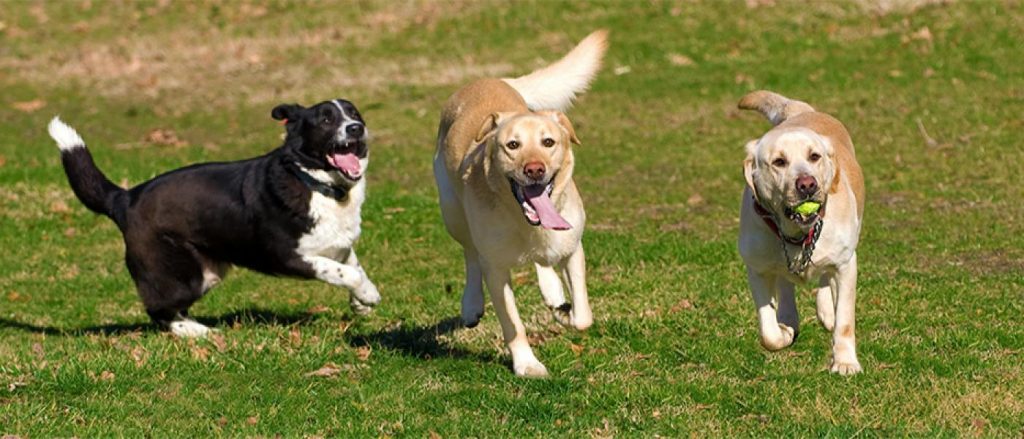
Dog Running

These are all things that can help you get started on the right track to taking proper care of your new dog. Your dog is depending on you to provide him with the life that he deserves. If you put in the effort, you will surely reap the benefits – a healthy, happy dog that loves you unconditionally!

The Benefits of Spaying and Neutering Your Pet

Cat in cone

There are many benefits to having your pets spayed or neutered. While it is indeed beneficial to both you and your pet, it is also considered to be an important responsibility as a pet owner. There is a reason, or many rather, why shelters require any animal to be spayed or neutered before being adopted out of their facility. Let’s talk about some reasons as to why spaying and neutering is so beneficial to both you and your pet.

Health Benefits

Some of you may be wondering how putting your pet through surgery could possibly benefit their health. First of all, these surgical procedures are performed using the most minimally invasive techniques possible. In the case of spaying and neutering your pet, the benefits far outweigh any risk involved. Some of these benefits include:

  • Eliminating the risk of ovarian and testicular cancer. Spaying or neutering can reduce the risk of mammary gland tumors and/or uterine cancer, especially if done before the female’s first heat cycle
  • Reducing the desire to roam, which will help keep your pet safely out of the streets
  • Pets who have been spayed or neutered have been shown to lead longer, healthier lives

Behavioral Benefits

Spaying and neutering your pet can help to correct behavioral issues that you may be having with your pet.

  • Calm Aggressive Behavior: Some animals that remain intact have been known to display some aggressive behavior. This is most common among the males, and neutering has been shown to decrease aggressive behavior, as well as reduce the likelihood of dog bites.
  • Eliminate Desire to Spray or Mark Territory: Another common problem with male cats and dogs is their desire to spray or mark their territory. Neutering can help to eliminate this problem. No pun intended.
  • Keep Your Pet Out of the Street: As previously mentioned, spaying and neutering your pet can reduce your pet’s desire to roam. Female dogs and cats have a tendency to want to roam when they come into heat, resulting in the males exhausting every effort to get out and find a mate. This presents many dangers to your pet, including traffic accidents and fights with other animals.

Solution to Overpopulation

Overpopulation is a big problem facing feline and canine communities. Spaying or neutering your pet makes you a part of the solution by preventing unwanted litters of puppies and kittens, reducing the number of stray animals roaming the streets

  • Reducing the number of animals being brought into shelters, ultimately helping to reduce the number of animals being euthanized each year
  • Free to a Good Home? Overpopulation can lead to more animals ending up in abusive situations. Oftentimes, when someone’s pet has an unexpected litter of puppies or kittens, they choose to re-home these animals for little to no re-homing fee. This can easily land animals in the hands of abusive or irresponsible owners.

Be a Part of the Solution

The mere thought of the number of stray animals that suffer from roaming the streets day after day, along with the thousands of homeless animals that sit in shelters day in and day out, is enough for us to know that we want to be a part of the solution. We want you to be a part of the solution as well. As pet owners, choosing to spay or neuter our four-legged friends is helping to reduce the number of homeless animals in our community, and we think that is a great solution to be a part of!

Our Mission: Wellness Foundation

Spaying and neutering aligns with the Mission of our Wellness Foundation. We started the Wellness Foundation to make the world a better place for all pets. A big part of that involves our partnership with Best Friends Animal Society, a leading animal welfare organization dedicated to ending the killing of dogs and cats in America’s shelters. As the Official Pet Food Partner of Best Friends, we are proud to provide natural pet food for the animals they rescue, so they have access to the healthiest nutrition possible.

We are also committed to helping the pets at Best Friends find forever homes. And when they do, we want their first meal to be from us, so we send their new families home with free Wellness Pet Food. Because pets deserve nothing less than the most nutrient-dense goodness in every bowl, starting with the first one. 

New Kitten Owner Guide

Kitten snuggling in a blanket

Congratulations! If you are reading this, chances are you are either a new owner of an adorable kitten or soon to be, and that is exciting news! Adopting a new kitten carries with it certain responsibilities, so we are here to help make the transition easier for you and your new furry friend. We are going to give you some tips for bringing your new kitten home, getting him properly trained, and making sure that he loves the scratching post more than your household furniture. This is important stuff, folks.
Tips for Adopting and Bringing Home a New Kitten
We are so happy that you made the decision to adopt a kitten, we could squeal! Kittens are such a fun addition to the household and are much more self-sufficient than dogs. However, there are certain responsibilities that come with bringing a new kitten into your home, and we’ve got some tips for you.

  • The drive home – Be sure and keep your kitten in the carrier on the drive home from the shelter. This will be less stressful for both you and the kitten.
  • Arriving home – Set up a starter room for your kitten in a quiet, closed off area of the house. Set the room up with a litter box, comfy bed, scratching post, toys, food and water.
  • Let them adjust – A new home can be overwhelming for your kitten. Give him time to adjust and once he seems relaxed and happy in his starter room, you can open the door and allow him to explore the rest of the house at his own pace.
  • Meeting family members – Allow other family members to have daily short visits with the new kitten in the starter room, one family member at a time. Young children should be accompanied by an adult.
  • Meeting other pets – Wait until your kitten is comfortable with his new surroundings before introducing him to the other pets. Keep them separated at first, and again, only one pet at a time.

Training Your New Kitten
It is a popular belief that cats and kittens aren’t trainable, but that is completely false. Cats may not respond to the same training methods that dogs are, but they are still highly trainable animals. Let’s start with the basics.

litter box training

  • Litterbox training –While the mother cat will begin training her kittens to use the litterbox right away, your kitten may still need some guidance when you bring them to their new home. Start by placing their litterbox in a quiet place (the starter room) and place them into the litterbox at certain times of the day when they would likely need to use it – first thing in the morning and after meals, playtime and waking up from a nap. If they don’t go, that’s fine. The key is getting them adjusted to the box and they will catch on rather quickly!
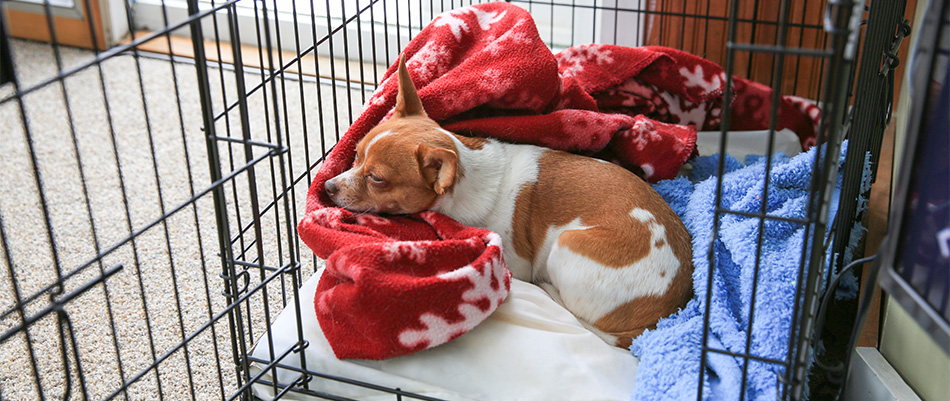
  • Crate training – Crate training for kittens is often neglected, but can be very beneficial. It can ease separation anxiety and make trips to the vet more pleasant. Place the crate in the starter room with the door open and make it cozy with a blanket or towel. Place the food bowl in the crate so that your kitten will develop a positive association to the crate. Once your kitten in comfortable, close them in for short periods of time and gradually work up to leaving them in the crate while you are out if your cat suffers from separation anxiety.

Teaching Your Kitten to Use Scratching Posts
This is an important tip for obvious reasons – your furniture will thank you for paying attention to this tip! You are already at an advantage by being able to expose your kitten to using scratching posts at a young age, which is a huge help! Here are some tips –

kitty scratch pole

  • Place a scratching post in your kitten’s starter room, so they are exposed from day one.
  • Provide your kitten with both vertical and horizontal scratchers around the house, once they graduate from their starter room.
  • Encourage your kitten to use scratching posts by placing their toys on the post.
  • Sprinkle the scratching posts with catnip, so that your kitten will be drawn to them.
  • If you catch your kitten scratching on the furniture, pick them up and immediately relocate them to one of the posts.

Adopting a new kitten is such an exciting experience! We hope that this article helps you to get off on the right foot and start bonding with your new best friend.

Caring For Your Senior Cat

Caring For Your Senior Cat

Today, cats are living longer lives thanks to improved veterinary care, better nutrition, and a heightened awareness of pet health and safety. As your cat approaches his or her senior years, it’s a good idea to learn what to expect so you can detect potentially serious health issues, as well as make adjustments to the way you care for your cat to ensure his or her comfort throughout the aging process.

Is Your Cat Considered a Senior?

According to the American Animal Hospital Association, you should begin senior care considerations when your cat reaches the age of seven. It’s recommended that healthy senior cats visit the veterinarian every six months. Regular veterinary visits are best way to catch diseases early and find a way to resolve them.

Physical and Behavioral Changes in Senior Cats

Aging cats experience many changes, so their mental and physical behavior may reflect those changes. Oftentimes, the normal signs of aging closely mimic symptoms of potentially serious conditions, so it’s always a good idea to report any significant changes to your veterinarian.

Here are several common changes in senior cats:

-Playing for shorter amounts of time, or sleeping for more hours in the day

-Not jumping as far, or hesitating when jumping

-Thinning or graying of the coat

-Changing appearance of the eyes including a slight haziness of the lens

-Changes in personality including increased or decreased vocalization, increased dependency on humans and avoidance of social interactions. Some of these changes may be attributed to the aging of the brain/memory loss

-Hearing loss

-Bad breath or dental issues

-Changes in litter box habits

Remember, many of the changes you may see in your aging cat could be related to an underlying medical condition so it’s best to ask your veterinarian about any questions or concerns you may have. The sooner you catch a health ailment, the better chance you have of curing it or managing it safely.

How to keep your aging cat healthy and happy:

You can help your aging cat to stay happy and healthy by following these tips.

-Give your cat regular exercise: Pay attention to your cat’s changing energy levels. Even though your cat is getting older, regular exercise will help keep your cat at a healthy weight, and it will also increase circulation and assist in maintaining lean muscle mass. To make sure you don’t overwork your cat, limit your play sessions to ten minutes, a couple of times a day and adjust to less or more as needed. If your cat seems to tire easily or experiences any breathing issues, consult your veterinarian.

exercise for senior cats

-Brush your cat regularly: As cats get older, they may not be able to digest foods and hair (from grooming) as easily as they used to; this could mean an increase in hairballs. Help to prevent hairballs by brushing your cat once a day. Brushing also helps keep skin healthy. With your brush, you can help your cat groom those hard-to-reach areas that they may be missing.

-Maintain a Healthy Diet:Wellness Complete Health Senior Health Dr Cat Recipe

Many cats, like people, will experience a slowing metabolism as they age, while others find it difficult to keep weight on. Start your cat on a natural recipe specifically formulated for the nutritional needs of senior cats. Wellness Complete Health Senior Health is a good option. It has tailored levels of fat and fiber to support an aging cat’s digestive system, and it includes the WellFlex® Hip & Joint Support Sytem that helps keep cats’ joints supple and limber. Wellness Senior Health is also packed with phytonutrients which may aid in disease prevention, slow the aging process and help boost your cat’s overall immunity.

Limit Stress and Keep Them Cool: Senior cats are not able to regulate their body temperatures as effectively as younger cats. Make sure to keep your cat cool in the summer to avoid heat stroke, and offer a warm blanket or heated cat bed in the winter for comfort. Senior cats may not adapt to change as easily as they once did, so it’s helpful to minimize their stress whenever possible. If you’re introducing a new pet to the family, be sure to take extra precaution to give your senior cat his or her own space, and alleviate stressors such as moving to a new house with extra affection during those trying times.

Although being a pet parent to a senior cat may be challenging in some ways, there are many things to be appreciative for as well. Each year spent with your cat only strengthens the bond you two have with each other. And rather than bouncing off the walls, older cats often display a unique wisdom and mellow, patient personality that really shines as they reach their golden years!

Does Your Pet Have Seasonal Allergies?

Seasonal Allergies

If you’re someone with seasonal allergies, you may be used to the influx of uncomfortable symptoms that arrive with the changing of the leaves in autumn and the sprouting of the grass in the spring. What you may not know is that it’s possible for your dog or cat to experience environmental allergies as well. Like us, pets’ allergies tend to flare up during the changing seasons. Below, Wellness veterinarian Dr. Al Townshend delves into this topic, answering some of the most common questions pet parents have about allergies in dogs and cats.

Wellness Simple Dog Limited Ingredient Natural Dog Food


Q. Why can a pet’s allergies become worse in the fall or spring months? What environmental factors are at work during these times?

A. There are higher levels of environmental allergens in many parts of the country during the fall and spring months. In the fall, many common weeds such as Ragweed and Goldenrod are pollinating. Mold allergies can also arise in the fall as leaves and compost piles accumulate at the end of the growing season. In the spring, the majority of plants are producing pollen. Reactions to these allergens can be exacerbated by the dramatic shifts in temperature and moisture levels occurring during the changing seasons.

Q. What are some of the symptoms of seasonal allergies in dogs and cats?

A. The symptoms of seasonal allergies are very similar to those of food allergies and commonly include intense itching and scratching, hot spots, runny eyes and nose, sneezing and dry and flaky skin and coat.

Q. Is there a way to distinguish between environmental allergies and food allergies in pets?

A. It can take some experimenting to determine the main cause of your pet’s allergies. The big difference between the two types of allergies is that food allergies will occur for as long as a pet is on the food that she is allergic to, while environmental allergies are typically worse at certain points throughout the year.

To narrow down the type of allergy your pet has, keep a record of the pet’s symptoms. Make note of any symptom changes that coincide with changes in diet or season. If your pet’s food remains the same but her itchy skin only occurs in fall and spring, you’re likely dealing with an environmental allergy. If your record shows that your pet’s allergy symptoms are consistent year-round, we recommend working with your vet to try a different food (Wellness Simple Limited Ingredient formulas may help) or remove one potential environmental allergen. Although most environmental allergies are seasonal, some can occur year-round. Allergies to perfumes, feathers, cigarette smoke, flea & tick control products and even certain fabrics have been reported in pets. Whether testing for a food or environmental allergy, be sure to test one variable at a time and allow a few months for results as it can take that long for the immune-response to subside once the allergen is removed.

Q. What are some of the steps pet parents can take to remedy pets’ seasonal allergies?

A. If you determine that your pet has seasonal allergies, there are some steps you can take. Most seasonal allergens are difficult for dogs to completely avoid, as keeping them inside all the time is impractical. However, you can:

-Keep windows closed when environmental allergens are at their highest concentration

-Give your dog or cat regular baths with a mild cleanser which washes away allergens clinging to the coat

-Wipe paw pads down when your pet comes in from outside.

-Dispose of decaying leaves (in gutters, yard, etc.) promptly to reduce mold growth

-Change your car’s cabin air filter regularly

If your pet’s seasonal allergies are still significant after taking these steps, your pet may need medication to control the symptoms.

With a bit of observation and experimentation, you can get your pet’s allergies under control and help her feel more comfortable all year long.

The Benefits of Probiotics for Your Pet

Small dog getting belly rub

Do you know how important your pet’s digestive health is to their overall well-being? A healthy gut prevents disease, improves digestion, aids in better nutrient absorption and boosts the immune system. So, in other words, digestive health is extremely important and that’s where probiotics come into play. What are probiotics? Probiotics are the good bacteria that live in our pets’ intestines and without the right balance of that good bacteria, your pet can experience major health issues. Let’s talk about the benefits of probiotics for your pet and how you can help to maintain that balance.

Happy Healthy Dog

Benefits of Probiotics
So, what are the actual benefits of giving your pet food with a healthy amount of probiotics, or even adding probiotic supplements to their food?

Promote a Healthy Digestive System

Overall, a diet that is rich in probiotics will help your pet to achieve digestive balance and promote a healthy gut.

Slow and/or Eliminate Diarrhea

If your pet doesn’t already have a diet with added probiotics and they start to suffer from diarrhea, a probiotic supplement can help to treat the diarrhea. Once you start feeding your pet a probiotic-rich diet, such as Wellness TruFood, they will be less likely to suffer from digestive problems such as diarrhea.

Ease Gastrointestinal Ailments
Does your pet suffer from Irritable Bowel Syndrome or any condition similar to it? Probiotics can help to soothe most gastrointestinal ailments that your pet may be suffering from.

Happy Healthy Dog

Do All Pets Need a Probiotic?
Because the digestive system is so closely connected to a pet’s immune system and overall health, all pets should have some form of a probiotic as part of their diet.

Probiotic Diet vs. Probiotic Supplement

While both forms of probiotics can be beneficial to your pet, feeding your pet a probiotic diet is the most proactive way to improve their health. Generally speaking, most pet foods that include a proper amount of probiotics are also among the healthier choices of pet foods. These foods will generally have more natural ingredients and are overall better choices for your pet.

trufood


Are you ready to start feeding your pet a diet that is rich in probiotics? Any chance to improve your pet’s overall health and potentially add years to their life is a chance that’s worth taking.

How to Transition Your Cat to Natural Wellness Kibble

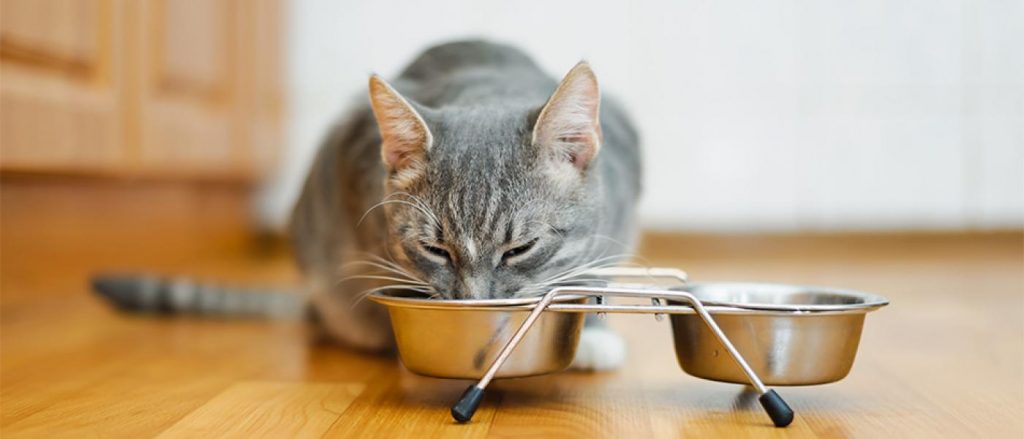
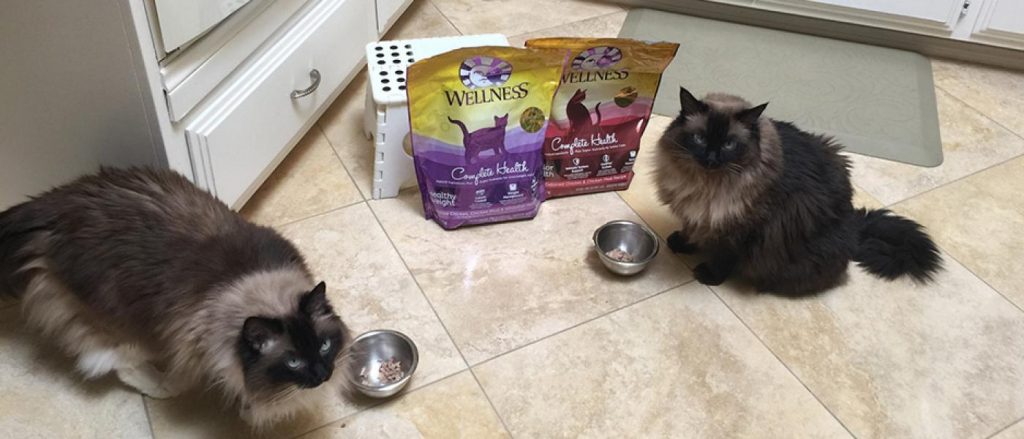
Cats eating Wellness Natural Pet Food

Whenever introducing your cat to a new kibble, it’s a good idea to gradually transition to the new dry food recipe over a 7 – 10 day period.

An extended transition time frame allows acceptance of the new flavor in the food bowl. And, it will also avoid potential stomach upsets that could cause diarrhea as a slow changeover allows the digestive system to adjust to new ingredients.

Add about 10 per cent of the new kibble to the bowl every day. If after a few days, your cat notices the difference and there are signs of resistance, reduce the new food by ten percent, and, if necessary, hold off on the transition for a couple days before trying again. There is no rush! And remember, if you cat is really resistant to a particular new recipe, the unused food, still in the original bag, along with the receipt can be returned to the store where it was purchased for a full refund. All Wellness dry food recipes are covered by this Catisfaction Guarantee.

At the same time you are transitioning the new kibble into the food bowl, consider serving it to her as a treat. It can be as few as five or six kibble. If you feed more than that, remember to make the calorie and amount adjustments to her food bowl so that you are not over-feeding during this transition phase.

Serving the food in the right bowl can help with the transition too. Cats like to eat out of broader, flatter bowls so that their whiskers don’t touch the sides. This is known as whisker stress. Avoid very tiny bowls for both food and water all together.

Always ensure that the food bowls are not placed in a high traffic area. Cats like privacy when they eat and this is important when transitioning over to a new dry food recipe. Also make sure that there is plenty of fresh water available near the kibble bowl as well as in other locations throughout the home. It’s important for a cat to be properly hydrated especially on a dry food diet.

What Is On The Menu
The Wellness Complete Health recipes offer cats a variety of chicken options in a small round kibble that cats of all ages are able to pick up easily, chew and digest. The Adult Chicken Recipe has deboned chicken as the first ingredient with chicken meal and rice.  There is a grain-free option too, ideal for cats with sensitive tummies. The Adult Natural Hairball recipe is made from chicken meal and rice to prevent hairballs from forming and to aid swallowed fur to move smoothly through the digestive system. There is a chicken recipe for kittens as well as a salmon and herring meal recipe suitable for cats with a more sedentary indoor lifestyle to control weight management.

All the ingredients are clearly highlighted on the packaging for easy decision-making.
Similarly, the Wellness Core kibble recipes offer an indoor-weight management formula made from chicken with turkey and chicken meal as key ingredients and the Original Turkey recipe offers cats a diet that is 65 per cent protein with turkey as the first ingredient.

Keep you pet’s dry food it its original packaging. Do not decant directly into a plastic container as this may taint the taste of the food. Rather place the entire bag in an attractive can to ensure it remains dry and fresh.

Talk to your pet while preparing the food bowl and putting it down. It’s a wonderful way to spend quality time together especially during the transition phase. Consider it the feline equivalent of sitting down at the table to a meal with family.
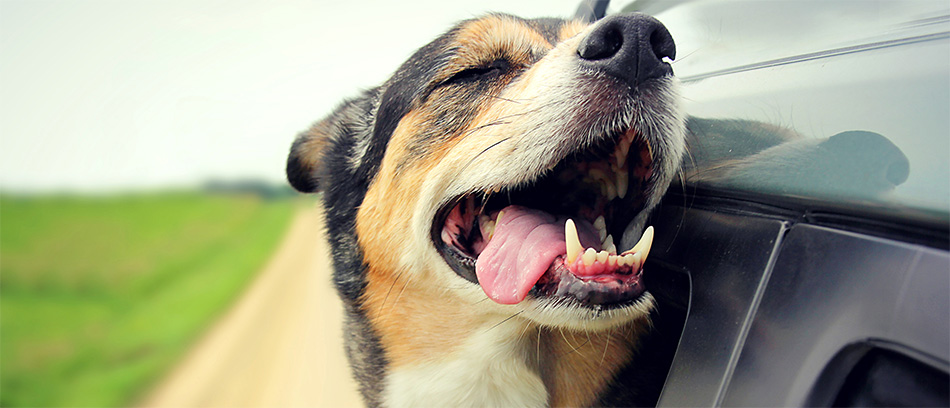
10 Ways to Help Your Dog Adoption Go Smoothly

When you rescue a dog from the shelter, you give him a second chance at life. Here are 10 ways you can get off on the right paw.

1– Talk with the shelter staff. Have them introduce you to their favorite dogs. Tell them what you’re looking for in a pet. Let them know what pets you already have and whether you have children. They’ll guide you to one that’s a good fit.

Find a dog who matches your temperament. If you enjoy lengthy hikes or other athletic endeavors, a high energy dog like a lab mix may be good for you. On the other hand, if you have small children or are looking for a dog who loves to snuggle, an older, more mellow dog may be a better option. The shelter staff can help you narrow your choices.

2- Once you’ve narrowed your choices to 2 or 3 dogs, see if you can take them each for a walk. Getting them away from the kennel environment will help many dogs relax and show you more of their personality.

3- Introduce your other family members to your candidates. This will help eliminate unpleasant surprises once you get home together.

4- If you already have a dog at home, see if you can bring your current dog in for a “meet and greet” or trade towels/blankets with each dog. The idea is each dog smells the other and begins to get accustomed to the other’s smell so they aren’t completely new to one another.

5- Once you’ve made your choice, determine where your new best friend will spend the first few days at your home. Even if your new friend is house-broken, the stress of moving and a new environment may cause him to “forget.” If you confine him to a kitchen, you’ll have easier clean up, yet, he’ll be able to adjust to family life.

6- If you plan to crate train, get the crate ready and decide where it will go in your home. When your new pet comes home, leave the crate sitting in its area with the door open and let him explore the crate on his own. You may find he enjoys being in it when he’s relaxing.

7- Aim for a calm schedule the first few weeks with your new pet. Take a few days off work if you can, and avoid planning travel right after adoption. Stick to scheduled meal times and walking times. The first few weeks are a critical adjustment time for everyone. Give yourself time.

8- Take your new friend to your veterinarian for a full checkup shortly after you bring him home. This gives you a baseline on health and temperament independent of the shelter.

9- Your new pet may benefit from doggie training classes or other forms of socializing such as dog parks. However, it’s important to discuss this with your vet and watch your pet’s temperament. Not every dog does well in these environments.

10- Make sure everyone in your family is onboard with the training plan. When everyone adheres to the schedule and uses the same commands, it’s easier for your dog to learn.
By giving a shelter dog a “forever home,” you’ll be deeply rewarded. You may find yourself the recipient of deep gratitude from your pet.

What tips do you have for a successful adoption?

How to Transition Your Cat to New Food

Cats are known as being picky eaters. If you want to switch your feline to a new food, we’ve got some tricks to get picky cats to convert.
Upgrading your kitty’s diet is a great way to ensure she’s getting all of the nutrition she needs to both look and feel great. And as more pet parents become informed about the ingredients found in commercial pet foods, they want higher quality wet and dry meals for their beloved furry companions.   
If you’re ready to transition your cat to a new diet, just beware that doing so could lead to digestive upset, so taking things slowly is the key. In this way, your kitty’s body can adjust to the new food without symptoms like diarrhea getting in the way.
Here’s what you need to know to make the switch:
Transition over the Course of 7-10 Days
A good tip to follow is to transition your kitty from her old diet to her new diet gradually over the course of about 7 to 10 days. Mixing the two foods gradually will give your cat a taste of the new food without shocking her system.
Begin with a mix of 25% of your cat’s new food and 75% of her old diet. Feed this for about two to three days. Slowly, increase the amount of new food so that you have a 50/50 mix for your cat to enjoy. After two to three days of half and half, you can move on to a mix of 75% of the new food and 25% of the old diet. Keep that up for another 2 or 3 days before you switch over to 100% of the new food.
Digestive problems like constipation, diarrhea, vomiting, or gas could occur at any point during this transition. If that happens, just slow down on the time between mixes to give your kitty more time to adjust to the new food – instead of two to three days per mixes, stretch it out to four to six days. Remember, every pet is different. But if problems persist, it’s a good idea to contact your veterinarian.
Trick a Picky Kitty
Cats are creatures of habit, so dealing with a picky kitty is common. They like what they like and they aren’t big fans of change, especially when it comes to their diet. But there are things that you can do to entice your pet to eat a new food:
• Drizzle some tuna juice over the food
• Add a moist treat, like WellnessTruFood Complements, to the top of your cat’s dry food or canned food
• Add some freeze-dried treats in a flavor your kitty can’t resist, like salmon or turkey
• Sprinkle some dry food on top of wet food
• Try a different texture, as your cat might prefer meaty morsels over a pate, as an example
New and Improved Wellness Options
Are you ready to feed your pet a higher quality canned or dry food? Wellness has renovated and re-launched their existing dry and wet food lines for felines, making them better than ever.
Here’s what your cat is in for:
• Expect new recipes, renovated recipes, and new packaging for Wellness Complete Health and Wellness CORE lines
• Pet parents will have the option of either grain-free or wholesome grains
• Wellness recipes will be carrageenan-free and free of meat byproducts, fillers, and artificial flavors
• Dry foods will feature a new kibble size and shape that’s more attractive to cats, while wet foods will have additional forms and textures for even the pickiest eaters
• An even lower price, making high quality pet food more accessible for people of all budgets
• “100% Catisfaction Guaranteed”: Wellness will replace any cans that your picky cats won’t eat.
With Wellness’s new, healthier cat food, you’ll likely find her begging for more. The key is to get her there gradually, and maybe even being a little clever when it comes to convincing her that a new food will be better than her old one. And once she gets a taste of Wellness’s new and improved line, she’ll definitely become a feline foodie!


join our community

Dog Park Etiquette: Playing by the Unwritten Rules

Dog park

Dog parks – the social scene of the dog world. Taking your dog to a dog park is a great addition to their exercise routine and a great way for your dog to maintain healthy socialization skills. However, there is proper etiquette to be considered when visiting the dog park. If you want the other dogs to wag their tails in approval and the other dog parents to greet you with a smile, then there are certain rules that should be followed – here is a list of ‘Dos & Don’ts’ to follow at the dog park.

5 Dog Park Do(s)
Here are some tips that are guaranteed to help you and your dog both win the popularity vote at the dog park.

dog park 2

-Scoop the poop.
This one is first on the list because it is THAT important. If you aren’t cleaning up after your dog poops in the park then you are probably on someone else’s list – a blacklist. If you really want to earn some brownie points, pick up any other dog’s messes that have been left behind.
-Exercise first, dog park second.
Taking your dog to the dog park should not be their primary source of exercise – it should supplement an already existing exercise routine. In fact, the proper thing to do is to exercise your dog before taking him to the dog park, in order to release any pent up energy that could affect his behavior at the park.
-Supervise your dog while at the park.
Let’s be honest – we’ve all seen the dog owner at the park who sits on the bench and stares at their smartphone while their dog terrorizes all of the other dogs at the park. Don’t be this person.
-Leave the kids at home.
We know that your kids probably love their dog and a trip to the dog park probably sounds like a dream come true to them, but the dog park isn’t really a place for small children. There is a lot of heightened interaction going on between dogs at the park and not all dogs are crazy about kids.
-Be cautious about handing out treats.
If you are using treats for training purposes while at the park, be sure that there are no other dogs in close proximity to you. The best advice would be to skip the treats until after you have left the park to avoid any unnecessary confrontations and don’t ever give treats out to a dog other than your own. Does your dog like Wellness treats?
5 Dog Park Don’t(s)
It is important to always promote peaceful and pleasant interactions at the dog park so that everyone can enjoy their visit to the park. There are certain things that you just shouldn’t do while at the park with your dog.
DON’T bring a sick or unvaccinated dog to the park.
If your dog is sick, not up to date on vaccinations, or if you are unsure of your dog’s current health status, leave them at home until you know that your dog isn’t capable of spreading disease at the park.
DON’T allow your dog to bully other dogs.
If you notice that your dog is causing problems or is being the dog park bully, remove them from the park immediately.
DON’T bring your BLT to the dog park.
Never bring human food into the dog park – we shouldn’t have to explain the problems that this could create.
DON’T bring a dog to the park who doesn’t respond to verbal commands.
Does your dog come when they are called? Do they respond to your commands? These are basic training skills that your dog should have before turning them loose at the dog park. First things first.
DON’T keep your dog on a leash in a ‘no-leash’ dog park.
It doesn’t really make much sense to take your dog to the dog park if you plan to keep them on a leash the entire time. Plus, it can present safety issues for other dogs, especially if you are using a retractable leash.
Are you ready for your next trip to the dog park? Brush up on your dog body language signals so that you know how to recognize signs of trouble. A little dog park etiquette can go a long way to making the dog park a happy place for both pets and owners!

About This Page

Pet Type:

DOG

Topic:

Exercise Health & Nutrition

Date:

02/03/2017

    Be the best pet parent you can be. Join for expert advice.

    Sign Up