




Whimzees

How to Love Your Dog: Tips, Tricks and Must-Knows

Love Your Dog

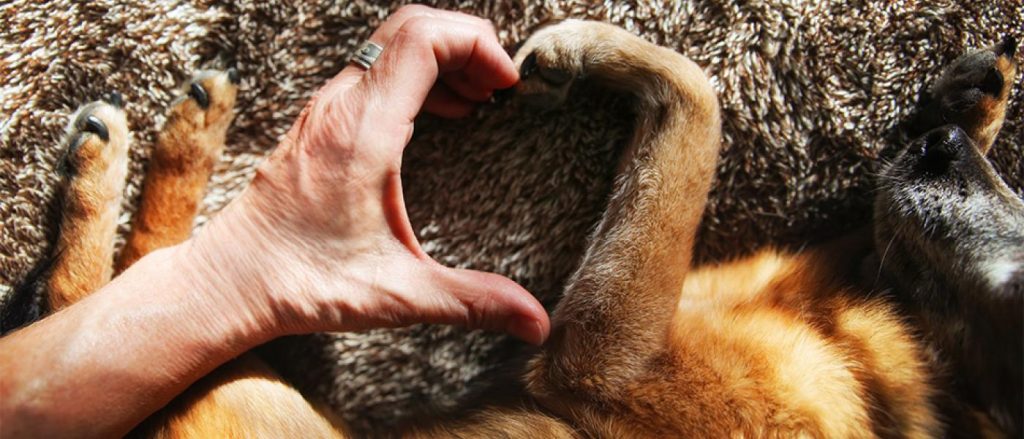
There’s really nothing better than a dog. A true friend and companion, a trickster, a playmate, and often the life of the party, what would our lives be without our four-legged friends? The famous humorist Will Rogers once said, “If there are no dogs in Heaven, then when I die I want to go where they went.” Dogs live to love us, so here’s a few ways to return that love and show your best friend how much they mean to you.

Hanging Out with Your Buddy – Every day you have your routine, and it undoubtedly includes time spent away from home – at work, running errands or just living your life. But don’t forget that you have a buddy at home whose whole life revolves around you. Of course you can’t be with your dog all day, but it’s important to make time to hang out with your dog every day

  • Walks and Runs: Every dog breed needs daily exercise, but do a little research on your pooch and make sure he is getting enough physical fitness every day. You’re not only assuring your dog’s health, but you’re showing him that he’s important enough to show off. And remember that it’s his time to enjoy the outdoors, so be patient when he stops to smell the flowers
  • Dog-friendly Outings : Pet-friendly activities are popping up all over, so take a little time to research dog-friendly spots in your neighborhood and town. Many outdoor restaurants and more shops than ever are not only allowing you, but inviting you to bring your dog along for the fun. Call ahead to make sure, or check out Bring Fido, a great online search tool that highlights the best in dog-friendly spots, complete with user reviews and pictures
  •  At Home: Long day at work or just feeling like keeping it local? Don’t forget that even if you’ve had a busy day, your dog has been busy waiting for you to come home, so don’t forget to give him some attention. Throw a favorite toy (back and forth a few thousand times), play a game of hide and seek, or set up a doggy treat hunt in your home.

Taking Care – You watch what you eat, have good hygiene and have regular checkups with your doctor, so why wouldn’t you want the same for your dog? One of the best ways to love your dog? Making responsible choices when it comes to their everyday health

  • Food : Your dog’s diet can determine not only the longevity of his life, but also the quality. Dog’s don’t judge their food in calories or health benefits, so it’s up to you  to make good choices with what to put in his bowl. Read the bag, check the ingredients, do your homework, because don’t you want to have your best friend around as long as you can? You want a food that has real meat, fruits and vegetables, not fillers, and the artificial flavors or colors have to go. Choose a diet suitable for your dog’s breed and stage of life; Wellness Pet Food makes it easy to make the right choice for your dog.
  • Grooming : Can you imagine what your hair would look like if you didn’t brush it for months and you only got a haircut every couple of years? Or what if you never trimmed your fingernails or brushed your teeth? If you wouldn’t neglect your own hygiene, why would you neglect your dogs? Not only does poor grooming cause your pet discomfort, but some factors, like not regular teeth-brushing, can pose serious risks to his health.
  • Vet Care – Regular veterinary care for your dog is part of being a responsible owner, and this includes two exams a year at the minimum. Stay up to date on vaccinations (most importantly for distemper, parvovirus, hepatitis and rabies) and visit the vet if your buddy is injured or shows lingering signs of sickness.

The Special Treatment – Hopefully you have lots of opportunities to show your dog a special reward; he didn’t chase the mailman at lunch, or you left your brand new shoes out all night and not a chew mark to be seen, or maybe it’s your dog’s birthday. Whatever the reason for celebration, here are some ways to give your buddy the special treatment

  • Dog Massage – Sure, that can sound a little strange at first, but dogs, especially dogs with more than a few years under their collars, can reap the benefits of a good massage. Massage can be calming in times of anxiety, relieve joint stiffness in arthritic dogs, or even provide a warm-up for athletic dogs before play. This article in Modern Dog Magazine has some great tips on how to give the right kind of massage for your dog’s health.
  • Treats – Treats are often the go-to choice for rewarding your dog, but if you truly love your pooch, you will only give treats with the right ingredients and offer these kind of tasty rewards in moderation. Choose the right dog treats, tailored to your buddy’s diet and health needs, and save treats for times of excellent behavior, not to be given as a ‘guilt treat’ for when you have to leave the house.


There’s a saying that goes, “Dogs may not be our whole lives, but they do make our lives whole.” Dogs spend their waking moments vying for our attention and hoping to show us how much we are loved. Take time for your dog today and show him just how lucky you feel to have him in your life. Make your pet be happy, healthy and well.
Pet Cancer Awareness Month: How Do You Detect Cancer Early in Your Pets?

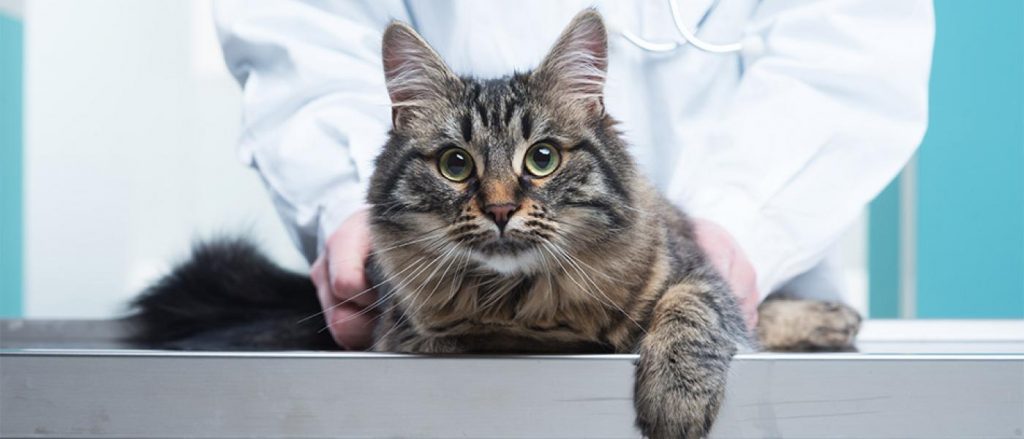
Cat at veterinarian

Cancer is the most common cause of death for our pets. While a good diet and a healthy lifestyle can help prevent all types of illness, it’s best to closely monitor your pet’s health in order to pick up on early warning signs of disease.

Diagnosing pet cancer requires a thorough veterinarian and medical testing, however, the following symptoms indicate that your pet may not be feeling well, and may indicate something more serious.

Here are 5 Signs of Illness in Your Pet (Sometimes Cancer-Related):

1—Lumps – As pets age, they will sometimes develop non-cancerous skin growths and other lumps and bumps. While many times these growths end up being benign, they can sometimes be a sign of lymphoma or a skin cancer. A trip to the vet will ease your concern, as your vet will run a needle biopsy or another test if she suspects an illness.

2—Unexplained weight loss – If your pet is losing weight, but his or her diet and exercise patterns haven’t changed, you may want to take your pet in for a check-up. Your vet may want to rule out cancer and will help you get to the bottom of the unexplained change in weight.

3—Unusual odors – If your pet has unpleasant odors coming from his or her mouth, ears or anal glands, this could be a sign of cancer in those areas. While these symptoms could also indicate an infection, your veterinarian will examine the areas in question and make recommendations for next steps.

Pet Ear Exam

4—Change in bathroom habits—Difficulty going to the bathroom, an increase in bathroom frequency or “forgetting” the approved bathroom locations can be signs that your pet is ill. Keep in mind that a move or other stressful life change can also affect bathroom habits, however it’s best to discuss the issue with your vet.

5—Lethargy – If your pet is no longer excited to go for walks or rides in the car, or is sleeping more often than usual,  it’s time for a trip to the vet. Any illness is likely to leave your pet feeling less than stellar, so while it may not be cancer-related, you won’t know until you go in for a visit.

lethargic cat

Remember, just like with humans, diet, exercise and a healthy lifestyle play a role in disease prevention. You have the best chance of catching an illness early and resolving it if you pay attention to changes in your pet’s behavior and take him or her to the veterinarian regularly. Early detection can make all the difference.

How to Pet Proof Your Living Room for a New Puppy or Kitten

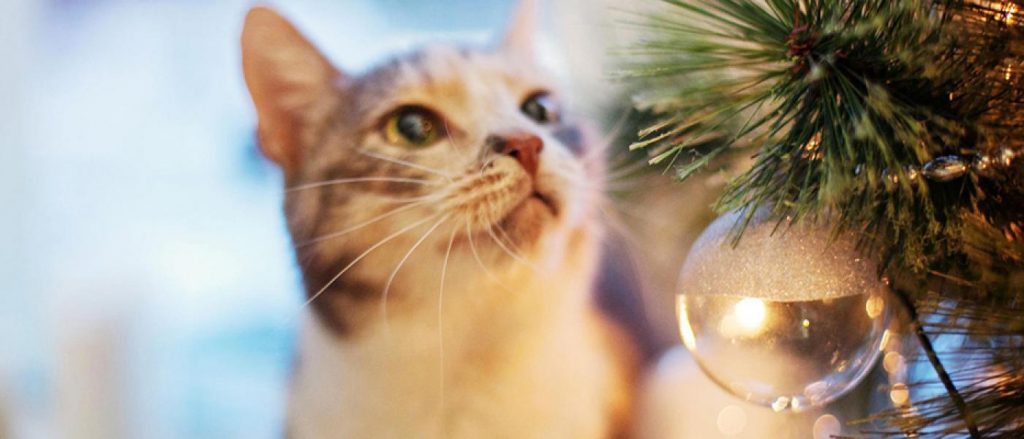
Cat looking at holiday tree

It’s fun to bring home a new puppy or kitten. You can cuddle them, introduce them to family members, post pictures on Facebook and spoil them silly!

What’s not fun is when they chew something they shouldn’t—remote controls, shoes and  window blinds come to mind. Puppies and kittens are naturally curious. They’ll explore the nooks and crannies that even your vacuum may not have seen lately, and they’ll learn about new things by putting them in their mouths.

So, how do you pet proof your home? Each room will require a slightly different strategy and in this post we’ll focus on your living room. It’s a good idea to take some time before your new furry family member arrives and give your home a critical eye.

5 Steps to Pet Proofing Your Living Room

1) Pick up shoes and stow them in a closet or bin. Puppies are notorious chewers, but kittens may find shoelaces irresistible too. Plus, without house training, they may find shoes to be excellent places to “mark” their territory. Yuck!

cat eating plant2) Remove breakables. It only takes a swish of a tail or a bat of a paw to knock your porcelain or other fragile knick-knacks off tables or mantles. Not only will you be left with shards of glass to clean up, but Mimi could step on them and get cut.
3) Pick up children’s toys. To prevent pets from potentially choking on smaller pieces, store action figures and building toys in a box with a lid when playtime is over.

4) Identify and research your houseplants. Many common plants and flowers are poisonous to pups and kittens so they could get sick from gnawing on the petals or leaves. You may want to swap any questionable plants for safe ones, or store certain plants in a room with a closed door.

5) Give your new furry friend a soft cushion or pet bed in your living room. Your pets want to be with you and they’ll appreciate a cozy place nearby to call their own. What pet proofing tips have you’ve gained from experience? Do you have a photo of your pet lounging in his or new digs? Share them on our Facebook page!

How to Get Your Dog Certified As A Therapy Dog

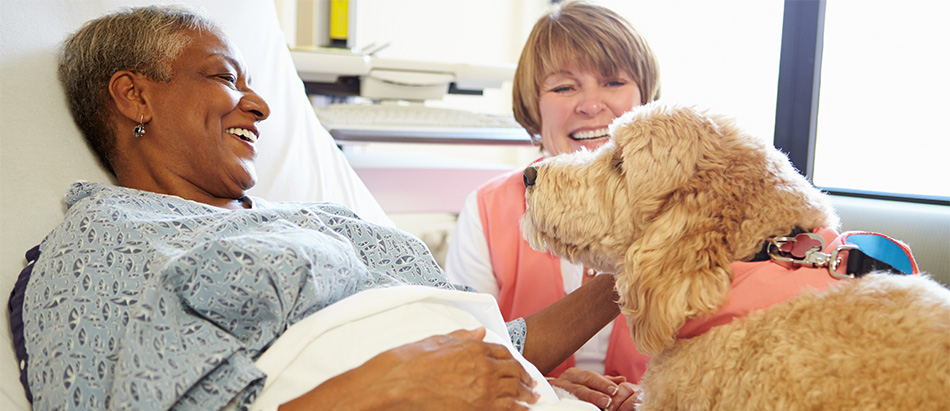
Therapy dogs provide an important and rewarding job for both the dog and the owner. If you are interested in your pet becoming a certified therapy dog you first need to make sure your dog is best suited for this type of work. Therapy dogs should be well trained and friendly. The dog should not be frightened of strangers or new situations and should enjoy going out and visiting new and unfamiliar places.

For certification, your dog will need to be in good health and up to date in all vaccinations. You should receive a health certificate from your veterinarian. Of course, make sure that your dog is well trained. Good therapy dogs need to be able to sit, lie down and stay on command and to walk on a leash without pulling.

If your dog’s health and temperament fit those of a therapy dog the next step is to get him certified. Most therapy groups require that your dog pass the American Kennel Club’s Canine Good Citizen (CGC) test. To find a testing site and evaluator visit http://www.akc.org/events/cgc/cgc_bystate.cfm
The CGC test consists of the following 10 items that your dog must pass:

* Accepting a friendly stranger
* Sitting politely for petting
* Appearance and grooming
* Walking on a loose lead
* Walking through a crowd
* Sit and stay commands
* Coming when called
* Reaction to another dog
* Reaction to distraction
* Supervised separation from owner

Depending on the therapy organization that you are seeking certification from, there may be additional requirements beyond the CGC test. Check with the individual organization for their specific requirements.

About This Page

Pet Type:

DOG

Topic:

Behavior & Training

Date:

10/01/2010

    Be the best pet parent you can be. Join for expert advice.

    Sign Up