




How Do I Know If My Dog or Cat Is Getting Enough Water?
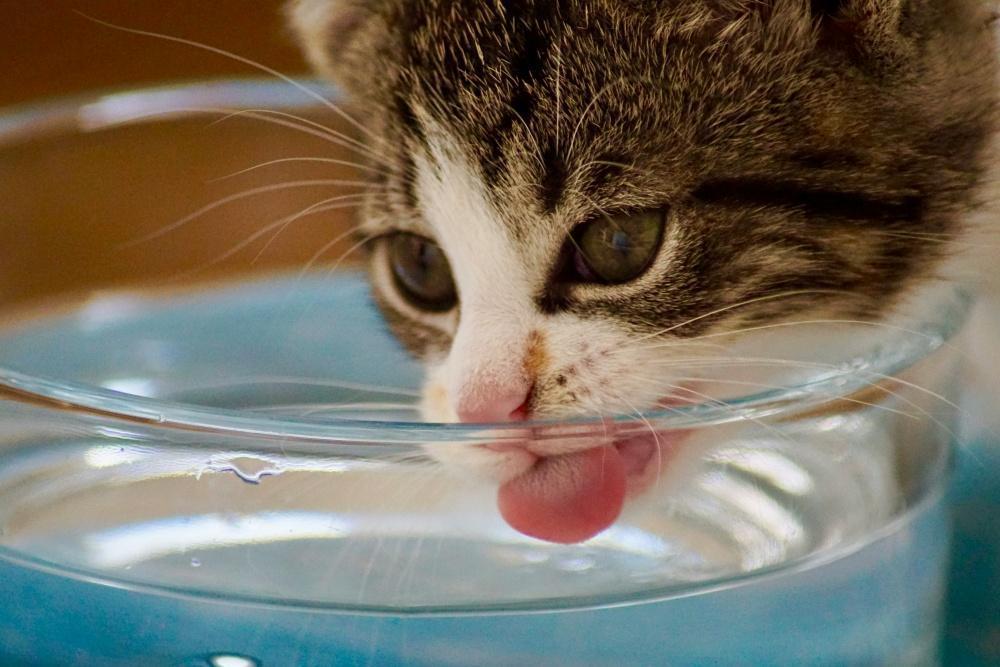
How do you know if your dog or cat is getting enough water? Check three things: moist gums, good skin elasticity, and steady energy levels. Most healthy adult dogs need around 50 to 60ml of water per kilogram of body weight each day, while cats need about 40 to 60ml per kilogram, according to Mountain.
Many pet parents wonder whether their dog or cat is drinking enough, especially here in Singapore, where heat and humidity put extra demand on hydration. That’s why wet food, as part of a complete and balanced diet, is one of the simplest ways to help support your pet’s daily hydration.
This guide covers how to spot whether your pet is well hydrated, how much water dogs and cats each need, what to do if your pet is not drinking, and how wet food fits in.
Why Hydration Matters More in Singapore
Singapore sits close to the equator, with year-round temperatures around 27 to 32°C and humidity often above 80%, so dogs and cats lose water faster here than in a temperate climate, even indoors.
Dogs cool themselves primarily through panting, which loses moisture rapidly in humid conditions. Meanwhile, cats have a naturally low thirst drive, evolved from desert ancestors, and often don’t drink enough to compensate for heat-related loss.
Indoor pets in air-conditioned homes aren’t automatically safe either, since cool, dry air quietly increases fluid loss through breathing. Hydration is a year-round consideration here, not a seasonal one.
How Much Water Does a Dog Need?
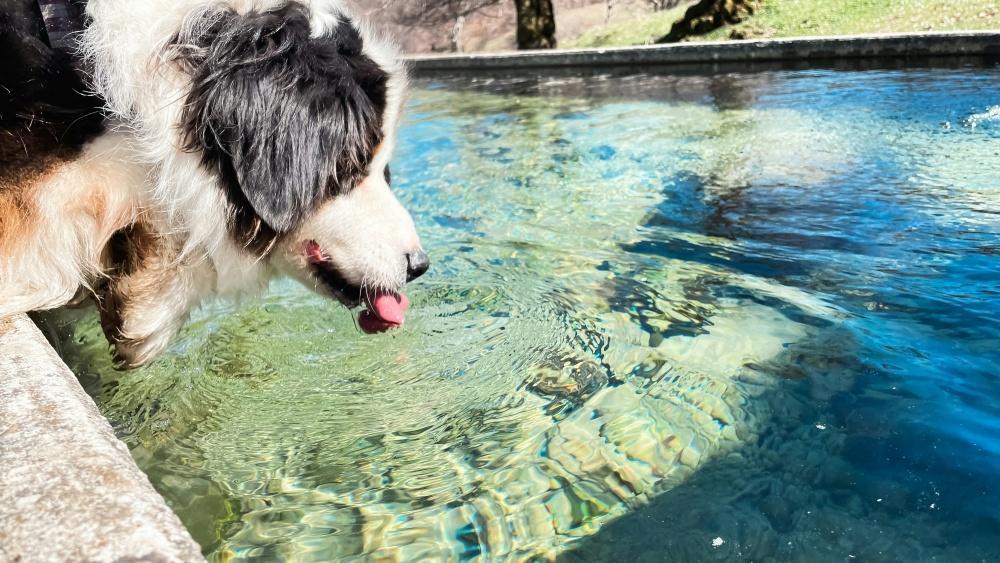
Most healthy adult dogs need around 50 to 60ml of water per kilogram of body weight per day, which works out to roughly 500 to 600ml for a 10kg dog, or 1.3 to 1.5 litres for a 25kg dog.
That baseline climbs with hot or humid weather, physical activity, pregnancy or nursing, a dry-only diet, and certain health conditions, so the exact number will shift from day to day. What matters more than hitting a precise figure is the pattern: steady intake is a good sign, while a sudden change in either direction is worth watching.
For dogs whose intake needs a lift, particularly on hot days or after long walks, Wellness® wet food can be added to the dry bowl as a simple way to close that gap.
Signs of Dehydration in Dogs
Dehydration in dogs is easier to spot than in cats, but early signs are still often missed:
- Reduced energy or lethargy
- Loss of appetite
- Dry or sticky gums (healthy gums are moist and slick)
- Thick or stringy saliva
- Sunken-looking eyes
- Reduced skin elasticity, tested by gently pinching the skin between the shoulder blades
- Panting that doesn’t settle, even at rest
- Vomiting, diarrhoea, or collapse in severe cases
If more than one sign appears, particularly with hot weather, vomiting, or diarrhea, see a vet. A dog not drinking water for more than a day is worth checking too.
How to get your dog to drink water:
- Offer a fresh, cool bowl
- Place a second bowl of water elsewhere in the home
- Introduce a wet food topper or a splash of water mixed into a meal
How Much Water Should a Cat Drink In a Day?
Cats need around 40 to 60ml of water per kilogram of body weight per day, or roughly 160 to 240ml for a 4kg cat, taken together from food and water. That combined total matters because cats getting a large share of their water through wet food may drink very little from the bowl, and that’s perfectly normal. It’s cats on a dry-only diet who have to make up the difference through direct drinking, which they often don’t manage well.
That baseline climbs in hot weather, on a dry-only diet, with higher activity or larger size, during pregnancy or nursing, and with certain health conditions, especially kidney-related ones. Wet food helps close much of that gap: a single 85g pouch of Wellness® wet cat food delivers around 60 to 70ml of water from the food alone, so two to three pouches or cans a day already covers a meaningful share of a 4kg cat’s daily hydration needs, alongside their calories.
Signs of Dehydration in Cats
Cats are harder to read than dogs, and dehydration often goes unnoticed until it’s more advanced. Watch for:
- Reduced appetite
- Lethargy or unusual quietness
- Dry or tacky gums
- Sunken eyes
- Loss of skin elasticity, tested the same way as in dogs
- Reduced grooming, leading to a duller or unkempt coat
- Constipation, which can be both a cause and a sign of poor hydration
What to do if your cat is dehydrated and not drinking water:
- Offer fresh water in multiple spots
- Try a wider, shallow bowl that doesn’t touch the whiskers
- Introduce or increase wet food
If your cat is visibly unwell, refusing food and water, vomiting, or showing severe symptoms, contact your vet without delay.
How You Can Support Your Pets’ Daily Hydration With Wet Food
Knowing the signs is half the picture; preventing the problem starts with the bowl. Wet food typically contains around 70 to 80% moisture, against roughly 10% in dry food, so it can deliver a significant share of a pet’s daily water intake straight from the meal.
For cats, healthy wet cat food often works as the primary meal, with dry food alongside for grazing or convenience. As a guide, a healthy 4kg adult cat can be fed two to three 85g pouches or cans a day, adjusted for size, activity, and life stage, with kittens and more active cats needing more.
For dogs, dry food usually stays as the base, with wet dog food added as a topper or mixer to lift moisture and flavour. This addition can be around one to two tablespoons, while a partial wet meal can replace roughly a quarter to a third of the daily dry portion.
Wellness® offers a range of wet food and topper options for both dogs and cats, from pates and minced textures to shreds in broth. For cats, the range spans CORE® (high-protein, grain-free), Complete Health®, CORE® Signature Selects, Appetizing Entrees, and Healthy Indulgence. For dogs, it includes CORE® and Complete Health® wet recipes, plus toppers and mixers built to lift daily moisture without changing the base of the diet.
Why Won’t My Dog or Cat Drink? Common Causes
Even with wet food and a good setup, some pets suddenly drink less. The cause is usually one of a handful of issues:
- Stress or a routine change, such as a move, a new pet, or boarding
- A dirty or poorly placed bowl
- Water that tastes different, such as chlorinated or filtered water
- Dental pain
- Whisker fatigue in cats, where a narrow bowl irritates sensitive whiskers
- Underlying health conditions such as kidney issues
- A diet change that has raised moisture intake elsewhere, in which case lower drinking isn’t a concern
Most cases respond to simple changes at home, but persistent reduced drinking deserves a vet check.
When to See a Vet
Book a vet visit for multiple dehydration signs at once, vomiting or diarrhoea lasting more than 24 hours, a sudden change in drinking habits, lethargy, weakness or collapse, or suspected heat-related illness after time outdoors.
The Takeaway
Knowing whether your dog or cat is getting enough water comes down to a quick check of gums, skin elasticity, and energy, paired with a sensible feeding plan that takes Singapore’s climate into account.
Wellness® has been crafting natural pet food since 1926, and every complete and balanced recipe is crafted around the 5 Signs of Wellbeing™, with quality named animal protein to ensure every recipe supports your pet’s everyday health and wellbeing.
Our Wellness® wet food range, for both dogs and cats, is available at retailers across Singapore, in-store and online through Shopee and Lazada. Check the Where to Buy page to find a retailer near you.