




Wet or Dry Food for Cats: Which Is Right for Yours?
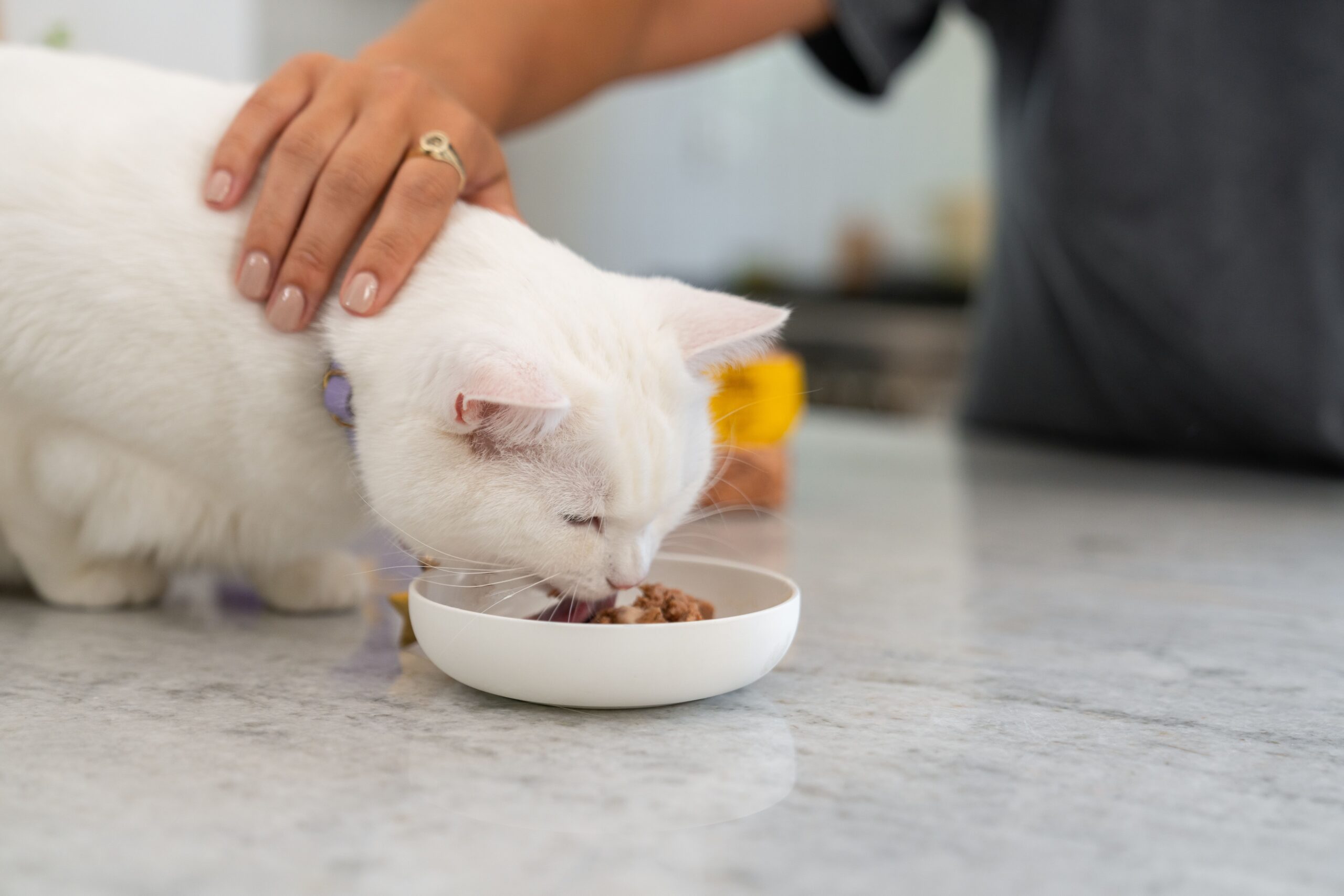
It’s one of the most common questions cat parents ask, and it doesn’t have a single right answer. Is wet food better for cats? Is dry food more practical? Can you feed both? The honest answer depends on your cat, and understanding what each format offers makes the decision much clearer.
For most cats, the best answer isn’t wet or dry, but a thoughtful combination of both. Wet food helps with hydration and tends to be higher in protein, while dry food is convenient, economical, and supports dental health through chewing.
The right choice depends on your cat’s age, health, and preferences. What matters most is that whichever you choose is complete, balanced, and built around quality animal protein. This is because cats are obligate carnivores with a naturally low thirst drive, which shapes the whole wet food vs dry food question from the start. In a warm climate like Singapore’s, where humidity is high, and indoor air-conditioning can be dehydrating, moisture in the diet matters more than many cat parents realise.
This guide covers the benefits and trade-offs of wet food vs dry food for cats, how combination feeding works in practice, and how to choose the right balance for your cat’s needs.
Wet Food for Cats: Benefits and Trade-offs
Wet cat food comes in cans, pouches, and trays, with a high moisture content, typically around 70 to 80% water. That moisture is not incidental. It’s one of the most practical things wet food does for a cat.
The benefits:
- Hydration: An average cat needs around 8oz of water per day, based on a cat weighing approximately 8lb (3.6kg), and a significant share of that can come from wet food. Cats evolved from desert animals and often don’t drink enough on their own, so moisture in the bowl helps bridge that gap, particularly in Singapore’s heat.
- High protein, lower carbohydrate: Wet cat food recipes tend to be richer in animal protein and lower in carbohydrates than dry alternatives, which suits an obligate carnivore’s natural dietary needs.
- Palatability: The aroma and texture of wet food appeal to fussy eaters, and the softer texture is easier for kittens and senior cats to manage comfortably.
- Satiety: The combination of moisture and protein can help a cat feel full, which supports healthy weight management over time.
The trade-offs:
- Shelf life: Once opened, wet food can’t be left out all day without spoiling, so portion planning matters more than with dry food.
- Cost: Generally more expensive per serving than dry food, which is worth factoring in for everyday feeding.
- Dental support: Unlike dry food, wet food doesn’t provide the chewing action that helps reduce plaque build-up over time.
Wet food is one of the simplest ways to support a cat’s hydration, which is why it plays an important role in most feeding plans. The Wellness® CORE® Signature Selects® range is a good place to start exploring, with recipes spanning pâté, shreds, chunks, and flakes formats across proteins including chicken, salmon, beef, turkey, tuna, and shrimp.
Dry Food for Cats: Benefits and Trade-offs
Cat food kibble has a low moisture content, typically around 10%, and is designed for convenience and shelf stability. It’s the format most cat parents start with, and for good reason.
The benefits:
- Convenience: Easy to portion, store, and leave out for cats who graze throughout the day.
- Economical: Generally more affordable per serving than wet food, which makes it practical for everyday feeding.
- Dental support: The chewing action of quality kibble may help reduce plaque build-up and support dental health over time.
- Energy density: A small volume delivers concentrated nutrition, which is useful for active cats with higher energy needs.
The trade-offs:
- Hydration: A cat on a dry-only diet needs to drink considerably more water to stay properly hydrated, since kibble delivers very little moisture on its own.
- Carbohydrate content: Generally higher in carbohydrates than wet food, which is worth weighing for an obligate carnivore whose body is built around animal protein.
- Portion control: Easy to overfeed if left out all day without measured portions, which can contribute to weight gain over time.
Dry food for cats has real strengths, particularly around convenience and dental health, but moisture is the trade-off to manage carefully.
Wet Food vs Dry Food for Cats: A Side-by-Side Look
| Factor | Wet food | Dry food |
| Hydration | High, typically 70 to 80% moisture | Low, typically around 10% moisture |
| Protein content | Generally higher (based on dry matter basis) | Variable, check the label |
| Carbohydrate content | Generally lower | Generally higher |
| Convenience | Requires refrigeration once opened | Easy to store and portion |
| Shelf life | Short once opened | Long |
| Cost per serving | Higher | Lower |
| Dental support | Limited | Supports chewing action |
| Palatability | High, suits fussy eaters | Good, less aromatic |
As the table above suggests, for most cats, a combination of wet and dry kibble will likely be the best option.
Why Combination Feeding Often Works Best
Feeding both wet and dry food lets you draw on the strengths of each while offsetting the trade-offs. Wet food covers hydration and protein. Dry food covers convenience and dental support. Together, they give most cats a more balanced daily diet than either format alone.
Practical approaches worth considering:
- Wet food for one or two meals a day, with a measured portion of dry food available for grazing.
- Wet food as the primary diet, with dry food used in puzzle feeders and enrichment toys to add stimulation.
- Adjusting the ratio based on your cat’s hydration, weight, activity level, and preferences over time.
One thing to keep in mind: both components count toward your cat’s daily calorie total. Combination feeding works well when portions are managed, but it can lead to overfeeding if both bowls are filled without accounting for the other.
Whichever you choose, both the wet and dry components should be complete and balanced and built around quality animal protein. This is the principle behind the Wellness® CORE® range, which offers both wet and dry recipes formulated around high levels of named animal protein, so a combination diet stays consistent in nutritional quality across every meal.

What About Kittens?
Kittens have higher energy and protein needs than adult cats because they’re growing rapidly, and their small mouths and developing teeth shape what they can comfortably eat.
Practical guidance for kitten feeding:
- Softened or moistened kibble can be introduced as kittens transition from milk to solid food.
- Combination feeding from early on helps kittens get comfortable with different textures, which tends to result in a more adaptable, less fussy adult cat.
- Always choose recipes formulated for growth or for all life stages, confirmed by the Association of American Feed Control Officials (AAFCO) nutritional adequacy statement on the label. AAFCO sets the nutritional standards most quality pet food brands formulate to, making that statement one of the most reliable indicators that a recipe has been properly assessed for your kitten’s needs.
Introducing both wet and dry food sets a kitten up to be a more flexible eater later in life, which makes feeding simpler for everyone.
How to Choose and Transition
When introducing a new food or changing the wet-to-dry ratio, do it gradually over seven to ten days. Cats are particularly sensitive to abrupt diet changes, and a slow transition gives their digestion time to adjust without disruption. If your cat has a health condition or you’re unsure what the right balance is, your vet is the best place to start.
A few things worth checking before committing to a new food:
- Named animal proteins: Look for these at the top of the ingredient list, whether wet or dry. Deboned chicken, salmon, and turkey are the kind of specifics that signal a recipe built around quality.
- AAFCO nutritional adequacy statement: Check this to confirm the recipe is complete and balanced for your cat’s life stage.
- Your cat’s individual needs: A cat prone to urinary issues or low water intake may benefit from more wet food in the daily mix, while a cat who prefers to graze may do well with measured dry food alongside it. If your cat is a picky eater, wet food’s stronger aroma is often the more reliable starting point.
The Right Balance Starts With the Right Food
There’s no single winner when it comes to the debate between wet food vs dry food. For most cats, the best diet draws on the strengths of both formats, anchored in balanced animal protein and enough moisture to keep an obligate carnivore properly hydrated. The format generally matters less than what is inside it and whether it suits your cat’s individual needs.
Wellness® has been crafting natural pet food since 1926, with every complete and balanced recipe built around quality animal protein and the nutrition cats are designed to thrive on. Our Wellness® CORE® high-protein cat food, with both wet and dry recipes for adult cats and kittens, is available through authorised retailers across Singapore. Find the full list of local retailers on our Where to Buy page to start shopping today.