




Why Does My Dog or Cat Have a Dull Coat?
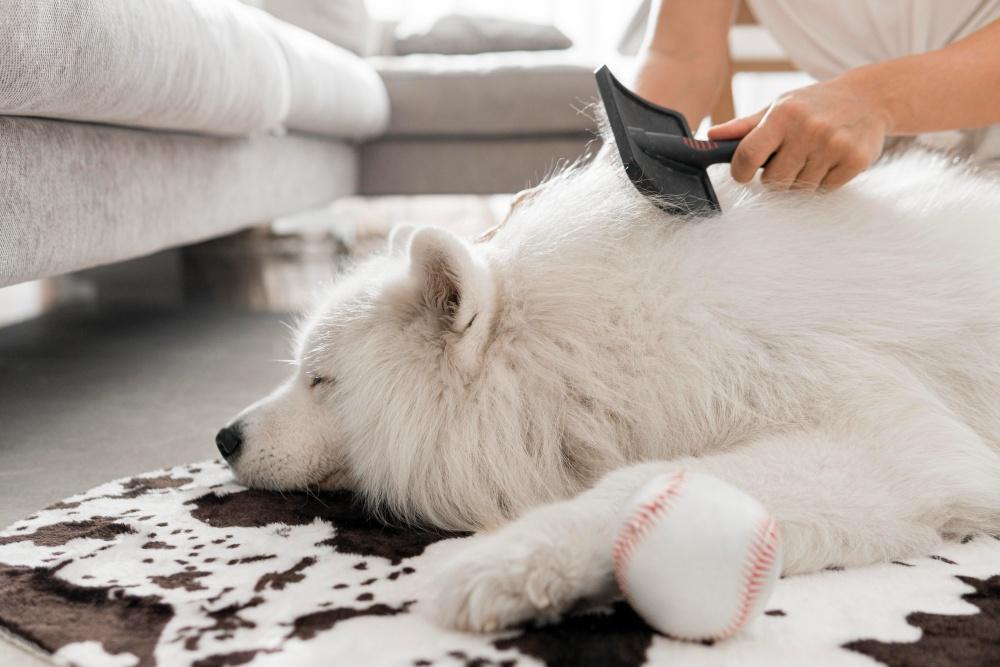
Most pet parents notice a coat change before naming it: more fur on the sofa than usual, a shine gone flat, or flaky skin underneath.
A dull coat in dogs or cats usually means something is off. This could be an unbalanced diet, a grooming issue, environmental stress, or an underlying health condition. Because fur is built almost entirely from protein, and its shine depends on skin oils, hydration and fatty acids, nutrition is the most direct lever you have. The right dry or wet food, formulated with named proteins, omega-3 and omega-6 fatty acids and quality nutrients, is the most reliable everyday step towards a coat that shines.
This article covers what affects a dog’s coat and what to feed for a shinier one, the same for cats, care beyond the bowl, and when to see a vet.
Why Is My Dog’s Coat Dull?
The most common factors behind a dog’s coat fall into four categories, and diet is usually the first place to look.
- Diet and nutrition: Dogs cannot make essential fatty acids themselves, so a diet low in omega-3 and omega-6 leads to dry, flaky skin and a dull, brittle coat, and low-quality or insufficient protein makes it worse.
- Grooming habits: Washing a dog too often or using human shampoo strips natural oils from the skin and coat, while too little brushing leaves them unevenly distributed.
- Environment: Low humidity and long stretches of air-conditioning dry out a dog’s skin much as they dry out ours, so in Singapore, coat condition can swing with the season and setting.
- Parasites and underlying health conditions: Fleas, mites, and ticks cause scratching that damages a coat and persistent dullness with hair loss, lethargy or behavioural changes can point to hypothyroidism or Cushing’s disease, which warrant veterinary assessment.
What to Feed a Dog for Healthy, Shiny Skin and Coat
For most dog owners, the bowl is the most practical lever, and what goes in each day shapes the coat. Healthy skin and coat is one of the 5 Signs of Wellbeing™, a visible marker that a dog’s needs are being met. When it’s missing, diet is the first place to review.
There’s no single best dog food for coat health, but the ingredients behind good skin and coat health are consistent. Here’s what to look for in dog food for maintaining healthy skin and coat:
- Named animal protein as the first ingredient: Protein is the building block of hair, so a named source such as chicken, salmon or turkey supplies the amino acids a coat needs.
- Omega-3 and omega-6 fatty acids: These support the skin barrier and the oil production that gives fur its lustre. Look for them on the label, such as salmon oil, flaxseed or fish meal.
- Vitamin E and zinc: Both help maintain healthy skin cells and the coat’s structure.
- Prebiotics and probiotics: Gut and skin health are linked through the immune system. Up to 80% of a dog’s immune system sits in the gut*, making digestive support a real contributor to coat condition.
- No artificial additives or fillers: Artificial colours, preservatives and unspecified fillers do nothing for the coat and may cause sensitivities that show in the skin.
Wellness® dry and wet dog food recipes are formulated with named proteins, omega-3 and omega-6 fatty acids from salmon oil and flaxseed, vitamin E, zinc and prebiotics, and no artificial colours, flavours or preservatives, with a guaranteed analysis so you can check the levels on the label. The wider range, including Wellness® Complete Health® and Wellness® CORE®, is built around the 5 Signs of Wellbeing™, with Healthy Skin & Coat one of the five.
For dogs whose coat issues trace back to food sensitivities, a limited ingredient diet can help isolate the trigger. Wellness® SIMPLE® is the brand’s limited ingredient range, a hypoallergenic dog food for dogs with known sensitivities, nutritionally complete for an elimination approach under vet guidance.
Why Is My Cat’s Coat Dull?
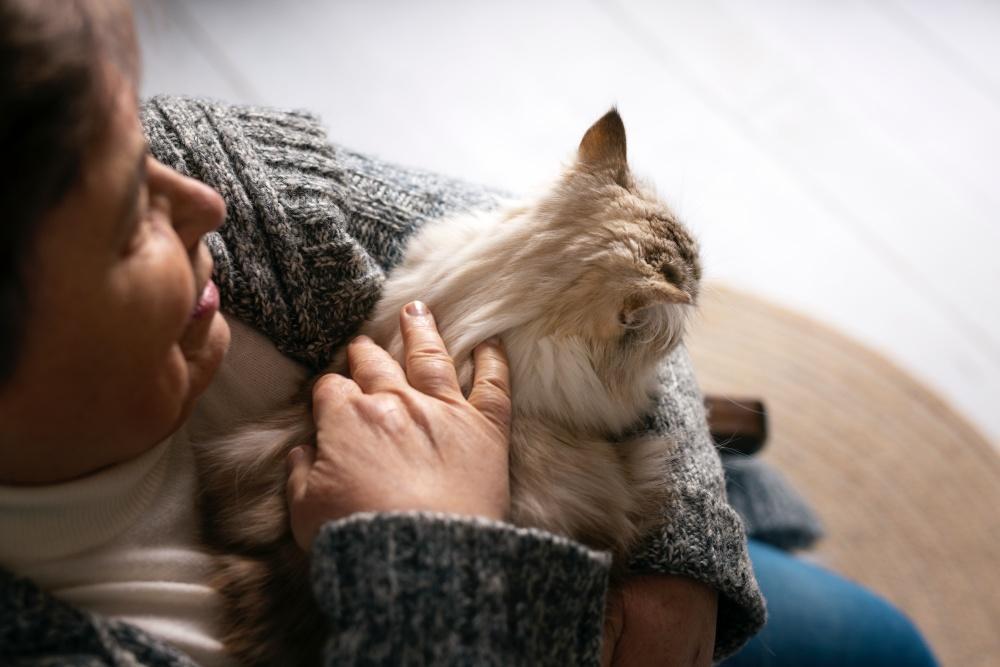
Cats are meticulous self-groomers, so when a cat’s coat loses its sheen, it usually signals that something is interfering with either their nutrition or their ability to groom.
- Nutritional deficiencies: A diet short on high-quality animal protein, omega-3 and omega-6 fatty acids and vitamins affects skin oil production and hair quality, and coat condition is one of the earliest signs a cat’s diet is falling short.
- Weight or age-related grooming limitations: Overweight cats and older cats with arthritis often cannot reach every part of their body, leaving unkempt, matted or dull patches along the back and flanks.
- Stress and anxiety: A change in routine, a new home, a new pet or household tension can disrupt grooming; some cats overgroom to bald patches, others stop altogether, and either way the coat dulls.
- Excessive bathing: Unlike dogs, cats rarely need a bath. Over-bathing strips the skin’s natural oils and can leave the coat flat and dry.
- Underlying health conditions: A sudden change in coat quality can point to parasites, diabetes, allergies or other systemic issues, so if it’s abrupt and unexplained, a vet visit is the sensible next step.
What to Feed a Cat for Healthy, Shiny Skin and Coat
Cats have nutritional needs that differ from dogs, and coat health reflects that. There’s no single best cat food for coat health, but what to feed a cat for a shiny coat comes down to a few consistent things.
- High-quality animal protein: Cats are obligate carnivores with a higher protein need than dogs, so a named animal protein such as chicken, tuna or salmon supplies the amino acids their coat needs.
- Omega-3 and omega-6 fatty acids: As in dogs, these support the skin’s oil-producing function and shine, and adequate fat helps cats absorb the fat-soluble vitamins for skin health.
- Moisture through wet food: Cats have a naturally low thirst drive, so wet food increases moisture intake, supporting skin hydration and a less dry coat. If your cat is a picky eater, the aroma of wet food often helps at mealtime.
- Vitamin E and biotin: Both support skin cell health and coat condition. Look for them in the guaranteed analysis or ingredient panel at the back of the bag.
- Prebiotics and probiotics: The gut-skin link applies to cats too: a digestive system working well absorbs nutrients more efficiently, which shows in the coat over time. Up to 80% of a cat’s immune system sits in the gut.*
Healthy skin and coat is one of the 5 Signs of Wellbeing™, a visible outcome of a diet meeting a cat’s needs. If it’s consistently absent, the bowl is the first place to review.
Wellness® wet and dry cat food recipes are formulated with named animal proteins, omega-3 and omega-6 fatty acids, vitamin E and prebiotics, with no artificial preservatives or fillers and a guaranteed analysis you can verify on the label. High-quality wet cat food across the Wellness® range provides the moisture cats miss on dry food alone, supporting skin hydration and coat condition over time.
Supporting a Healthy Coat Beyond the Bowl
Nutrition does the heavy lifting, but a few habits support skin and coat alongside it.
- Groom regularly: Brushing spreads natural skin oils, lifts loose fur and boosts blood flow, supporting coat condition in dogs and cats.
- Use pet-formulated products only: When a bath is needed, use a moisturising, pet-formulated shampoo; human shampoo and over-frequent washing strip the coat’s natural oils.
- Manage the indoor environment: Long spells of air-conditioning dry out skin and coat, so a humidifier or easing off the AC helps keep humidity comfortable, which matters in Singapore’s conditioned homes.
- Keep fresh water available at all times: Hydration supports skin from the inside out, and for cats, a water fountain often encourages more drinking than a still bowl.
These habits work alongside good nutrition, not in place of it.
When to See a Vet
A dull coat that doesn’t improve after a careful dietary change or one that comes with hair loss, skin lesions, heavy scratching, lethargy, weight changes or behavioural shifts, warrants a veterinary assessment.
Some causes, including hypothyroidism, Cushing’s disease, diabetes and parasites, cannot be addressed through diet alone and need proper diagnosis and treatment.
What a Dull Coat Is Telling You
A dull coat is rarely just cosmetic. It’s one of the clearest signals a pet’s body sends when something is off, and nutrition is the most accessible place to start.
Healthy skin and coat is one of the 5 Signs of Wellbeing™, alongside healthy digestion, immune health, healthy teeth and bones, and sustained energy. When all five are present, the diet is doing its job.
Wellness® has been crafting natural pet food since 1926, with every complete and balanced recipe formulated to support the 5 Signs of Wellbeing™, including Healthy Skin & Coat. The range spans dry and wet recipes for dogs and cats, from Wellness® Complete Health® and Wellness® CORE® to Wellness® SIMPLE® for sensitive dogs. The full range is available through retailers across Singapore, and you can find the list on our Where to Buy page.
*Source: VCA Animal Hospitals