




Why Is My Cat Such a Picky Eater?
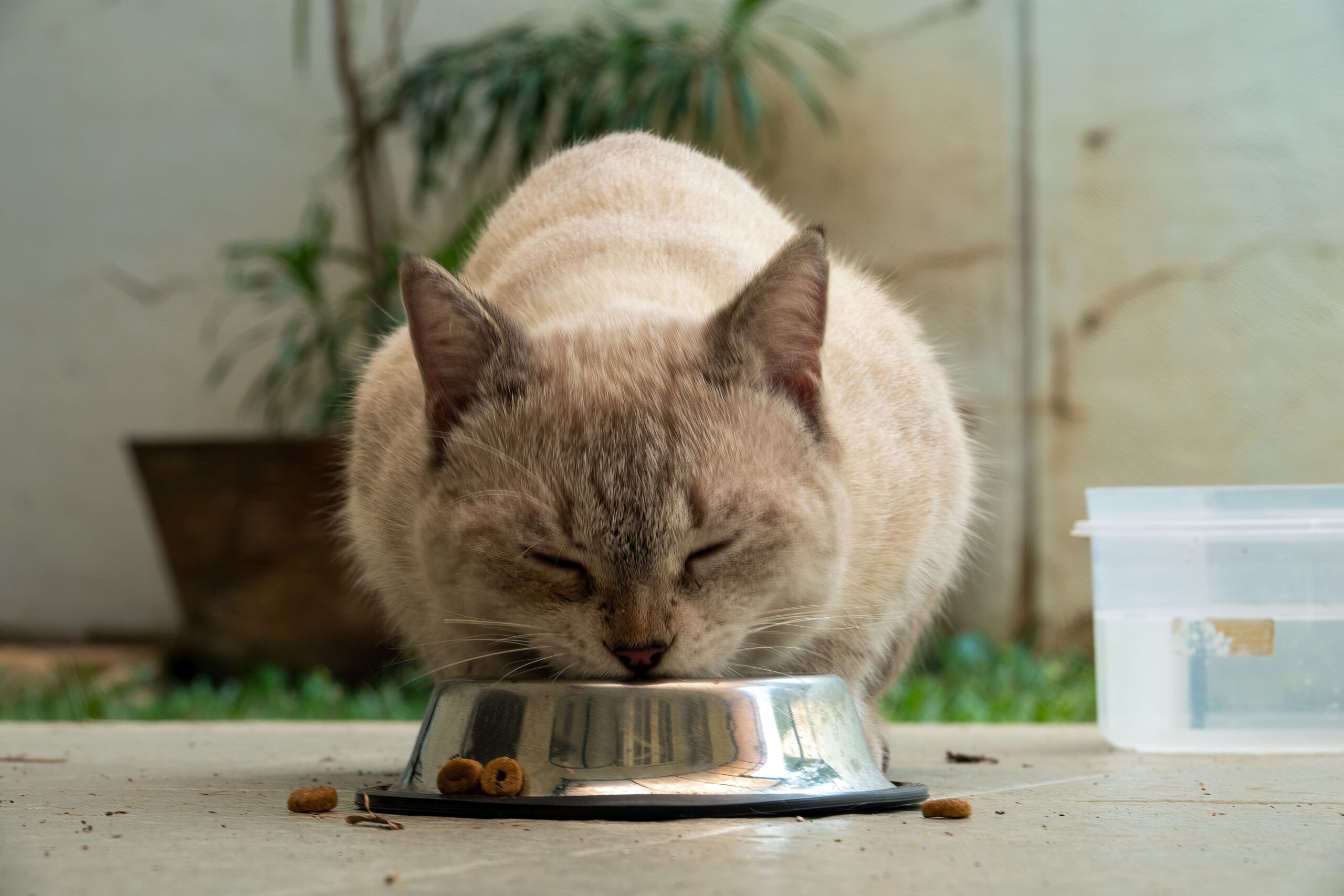
Cats are frequently picky eaters due to their natural instincts, high sensitivity to smell, and early life diet exposure. Feline food preferences are often shaped well before adulthood, making some cats genuinely resistant to new flavours, textures, or brands.
That said, sudden pickiness is worth taking seriously. When a cat that previously ate well begins refusing food, underlying pain or discomfort is sometimes the reason rather than preference.
Why Are Cats Such Picky Eaters?
Picky eating in cats is rarely about stubbornness. It is usually rooted in instinct, early experience, or learned behaviour, and understanding which one applies to your cat is the most useful place to start.
Scent
Cats rely heavily on smell to assess whether food is safe. Because cat food has to be processed and packaged, some foods may lack the strong, fresh aroma that a cat’s instincts are primed to respond to. A bowl that smells unfamiliar or insufficiently appetising may be rejected before a single bite is taken. This is one reason why a fussy cat food problem often has less to do with the recipe and more to do with how it is served.
Early Life Exposure
A cat fed only a single flavour or brand during kittenhood is more likely to develop food neophobia, which is a wariness of unfamiliar foods, later in life. That’s why feeding your cat a variety of proteins and textures early on makes it far more likely your cat will accept new foods without fuss later in life.
Learned Behaviour
Cats are observant and quick to make connections. A cat that refuses their regular meal and receives a more palatable alternative in response has learned that holding out works. Once that pattern is established, it can be difficult to break, so the picky eater problem in some households could be a dynamic that has been reinforced over time, however unintentionally.
Texture Preferences
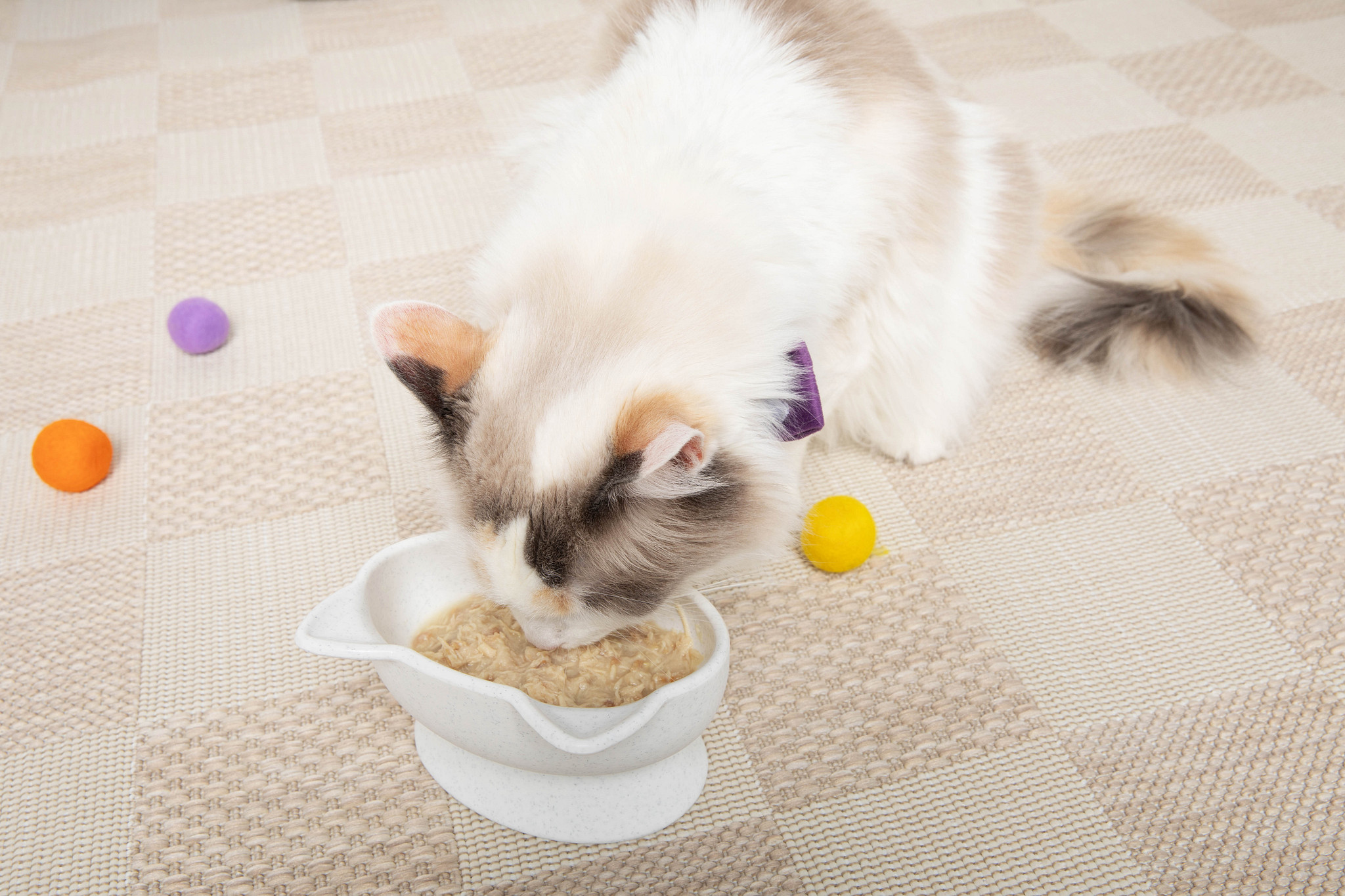
Some fussy cats are highly particular about mouthfeel and will accept a protein in one format while rejecting the same protein in another. Wet food alone comes in a range of textures, from smooth pâté and minced to mousse, shreds, chunks, and flakes, and a cat that turns away from one may eat another willingly. It is worth knowing this before concluding that a flavour or food has been ruled out entirely.
Underlying Health Issues
Dental disease, kidney problems, or joint pain can make eating uncomfortable, leading a cat to reject food they previously accepted without hesitation. So when pickiness appears suddenly in a cat with previously stable eating habits, it warrants closer attention rather than a simple recipe swap. This is covered further below.
How to Get a Picky Cat to Eat
Before trying new tactics, rule out illness. If pickiness is sudden or accompanied by other symptoms, a vet visit should come before any dietary experimentation. For cats where health has been confirmed as the reason, the following steps are worth exploring:
- Try different flavours: Rotating proteins such as chicken, turkey, salmon, and tuna can help you identify what your cat actually enjoys. For picky eaters, variety in protein is usually the most direct starting point, and what to feed a picky cat often comes down to finding the right protein first.
- Try different textures: Wet food comes in mousse, pâté, shreds, chunks, and flakes, so if your cat rejects one, switching the texture before switching the protein is worth trying first.
- Adjust the temperature: Serving wet food at room temperature or slightly warmed releases more aroma, which can help stimulate appetite in a reluctant eater. Lukewarm is sufficient; never serve food hot.
- Consider food toppers: A small amount of a palatable, strongly scented topper, such as a broth or complementary wet food, can make a familiar meal more appealing without requiring a full diet change. This lets you maintain the protein content and quality of the base recipe’s ingredients while adding something that catches your fussy cat’s attention.
- Try interactive eating: Some cats eat more readily when food is presented through a puzzle feeder or slow-feeder bowl, particularly those whose reluctance is boredom-related rather than preference-driven.
- Adjust the feeding schedule: Structured mealtimes, rather than free feeding throughout the day, could give a cat more incentive to engage with what is offered. A more defined schedule is often worth trying before switching foods entirely.
- Try stress-relief techniques: Environmental stress can suppress appetite, so feeding in a quiet, consistent location away from other pets, loud spaces, or high-traffic areas can make a meaningful difference for anxious cats.
When to See a Vet
If pickiness is sudden, has lasted more than 24 to 48 hours, or is accompanied by weight loss, lethargy, vomiting, or changes in thirst or urination, contact a vet promptly. A cat that goes without eating for an extended period is at risk of more serious complications. When in doubt, a vet visit is always the right call.
Finding the Right Food for a Picky Cat
For most picky eaters, the answer is not finding a trick to make them eat what they have always had. It is finding the right food. Variety in protein, format, and texture is the most practical tool a cat parent has, and the one most likely to result in a meal that is genuinely enjoyed. Why a cat is a picky eater often becomes clearer once you start narrowing down what they actually respond to.
Wellness® offers a cat food range that spans a variety of proteins, textures, and formats, so finding what your cat genuinely enjoys does not mean compromising on nutrition. Our line of wet cat food includes options across multiple proteins and textures, as well as toppers to mix into your cat’s bowl, all formulated to complete and balanced nutritional AFFCO standards, so there are real options to explore.
Whether your cat leans toward shredded chicken in gravy or a salmon pâté, there is a formula worth trying. The goal is a cat that looks forward to mealtime, and that starts with high-quality cat food built around what cats actually need.
Ready to find food that your fussy cat will actually enjoy? Explore the Wellness® cat food range, with wet and dry options across every life stage, online and find the full list of retailers on our Where to Buy page.